
More Than Competition
In the vast, frozen expanses of the Arctic, where survival has always depended on resilience, cooperation, and deep knowledge of the land, sports are not merely a form of entertainment. They are living traditions—expressions of identity, cultural memory, and physical endurance passed down through generations. Arctic sports, practiced by Indigenous peoples such as the Inuit, Sámi, and other northern communities, are far more than competitive events. They are a continuation of ancestral knowledge, a celebration of human strength, and a powerful tool for preserving cultural identity in a rapidly changing world.
Unlike modern sports that often emphasize spectacle and commercialization, Arctic sports are rooted in necessity. Every movement, every challenge, every display of endurance reflects skills that were once essential for survival in one of the harshest environments on Earth. Today, these sports remain deeply symbolic, bridging past and present while reinforcing a sense of belonging among northern communities.
The Origins of Arctic Sports: Survival as Foundation
To understand Arctic sports, one must first understand the environment in which they were born. The Arctic is unforgiving—extreme cold, long periods of darkness, and limited resources demanded ingenuity and physical strength from those who lived there. Traditional activities evolved naturally from daily tasks such as hunting, fishing, traveling long distances, and enduring harsh weather conditions.
For example, jumping exercises were not created for amusement but for practical reasons. Hunters needed to leap across cracks in sea ice or onto higher ground quickly and efficiently. Strength-based competitions mirrored the physical demands of pulling heavy loads, building shelters, or handling hunting equipment. Breath control contests reflected the need to remain calm and focused in dangerous situations, such as underwater fishing or enduring freezing winds.
Over time, these survival skills transformed into structured competitions, often held during gatherings when communities came together. These events were not just about determining who was strongest or fastest—they were about reinforcing shared values, teaching younger generations, and honoring the wisdom of ancestors.
Physical Strength as Cultural Expression
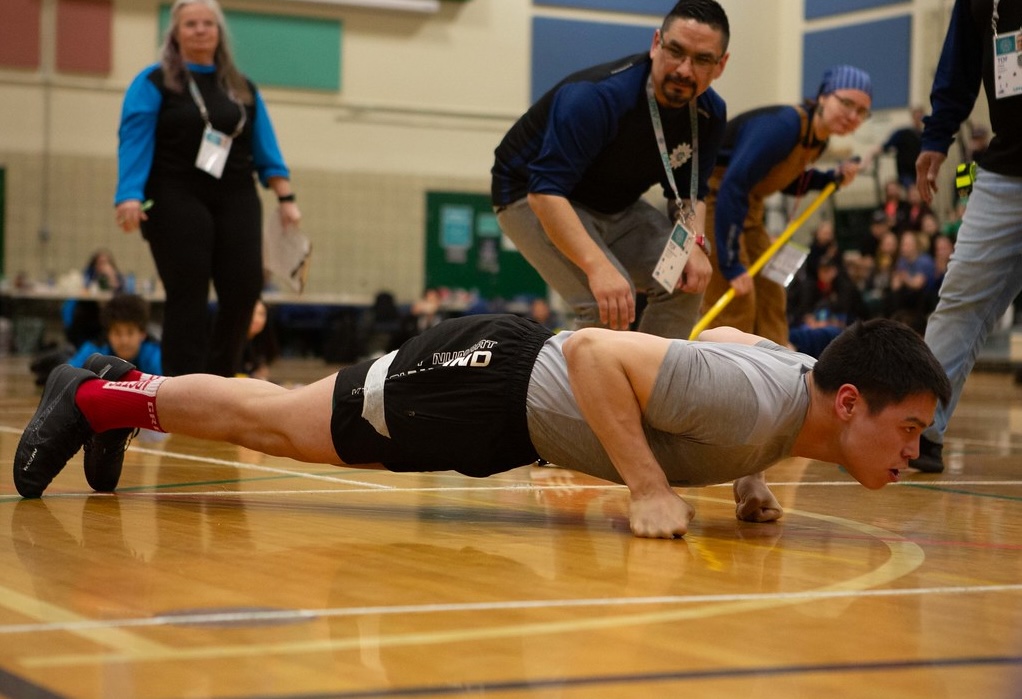
Arctic sports place a unique emphasis on endurance, pain tolerance, and mental discipline. Events such as the one-foot high kick, the Alaskan high kick, and the knuckle hop require participants to push their bodies to extremes. Yet, the goal is not simply to win. It is to demonstrate control, resilience, and respect for the body’s limits.
In many Arctic traditions, showing strength is inseparable from showing character. Athletes are expected to remain composed, humble, and respectful, even in the face of intense physical strain. This reflects a broader cultural philosophy in which survival depended not only on individual ability but also on emotional control and cooperation within the community.
Pain, in this context, is not glorified but understood. It is a reminder of the hardships endured by ancestors and a way of connecting with their experiences. By engaging in these physically demanding sports, participants embody the resilience that has defined Arctic peoples for centuries.
Identity and Continuity in a Changing World
In today’s globalized society, Indigenous cultures face constant pressure from modernization, climate change, and cultural assimilation. Arctic sports have become a crucial means of preserving identity amid these challenges. They serve as a living link to the past, allowing younger generations to experience traditions firsthand rather than learning about them only through stories or books.
Events such as the Arctic Winter Games bring together athletes from across northern regions, creating a space where cultural pride can flourish. These gatherings are not just sporting events; they are celebrations of language, music, clothing, and shared heritage. Participants wear traditional attire, speak their native languages, and engage in ceremonies that reinforce their cultural roots.
For many young people, participating in Arctic sports is a way to reconnect with their identity. It offers a sense of purpose and belonging, especially in communities where rapid social changes can lead to feelings of disconnection. Through training and competition, they learn not only physical skills but also the values, stories, and traditions that define their culture.
Community, Cooperation, and Shared Experience
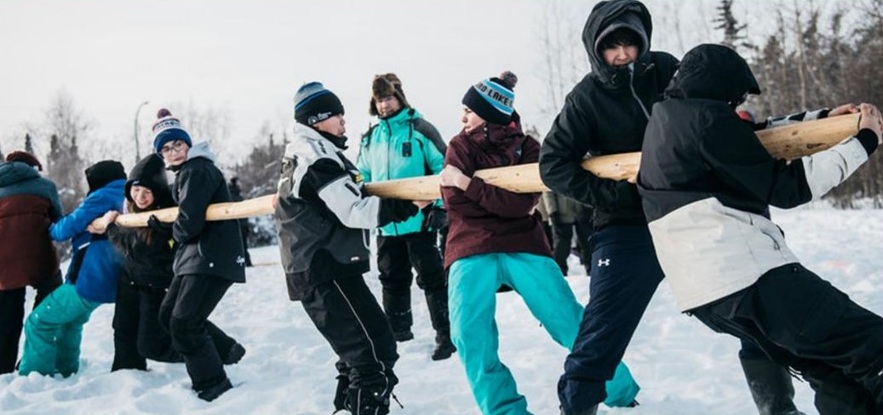
One of the most striking aspects of Arctic sports is their emphasis on community rather than individualism. While competitions do have winners, the overall spirit is collaborative. Participants support one another, share knowledge, and celebrate collective achievement.
This reflects the traditional Arctic way of life, where survival depended on cooperation. Hunting, traveling, and building shelters were rarely solitary activities. Success required trust, communication, and mutual support. Arctic sports mirror these values, reinforcing the idea that strength is not just an individual trait but a communal one.
Even spectators play an important role. Their encouragement, songs, and presence create an atmosphere of unity and shared purpose. In this way, Arctic sports function as social events that strengthen bonds within and between communities.
The Role of Storytelling and Tradition
Every Arctic sport carries a story. Whether it is the origin of a particular movement or the achievements of past athletes, these narratives are an integral part of the experience. Elders often play a key role in passing down this knowledge, ensuring that traditions remain alive and meaningful.
Storytelling adds depth to the competitions, transforming them into cultural performances. It reminds participants that they are part of a larger history, one that extends far beyond the present moment. This sense of continuity is essential for maintaining cultural identity, especially in a world where traditions can easily be lost.
By embedding stories within sports, Arctic communities ensure that knowledge is transmitted in a dynamic and engaging way. Young people learn not only through instruction but through participation, observation, and shared experience.
Resilience in the Face of Modern Challenges
The Arctic is undergoing rapid environmental and social changes. Climate change is altering landscapes, affecting traditional ways of life, and creating new uncertainties. At the same time, globalization introduces new influences that can both enrich and challenge local cultures.
In this context, Arctic sports serve as a source of stability and resilience. They provide a framework through which communities can adapt while staying rooted in their traditions. By continuing to practice and evolve these sports, Arctic peoples assert their identity and maintain a sense of continuity despite external pressures.
Moreover, Arctic sports have gained recognition beyond their traditional regions. This increased visibility brings both opportunities and challenges. On one hand, it allows for greater appreciation and support. On the other, it raises questions about cultural appropriation and the need to preserve authenticity. Balancing these factors requires careful consideration and strong community leadership.
Strength Beyond the Physical
Arctic sports are a powerful testament to the enduring strength of northern cultures. They are not merely physical activities but expressions of identity, history, and resilience. Through these traditions, communities preserve their past, celebrate their present, and prepare for the future.
In a world that often prioritizes speed, convenience, and individual achievement, Arctic sports offer a different perspective. They remind us that true strength lies not only in the body but in the connections we maintain—with our heritage, our community, and our environment.
By continuing to practice and honor these traditions, Arctic peoples ensure that their identity remains vibrant and resilient, no matter how the world around them changes.