
The Meaning Hidden Within Arctic Traditions
Across the vast northern landscapes of the Arctic, where communities have lived for thousands of years in close relationship with ice, snow, animals, and changing seasons, ceremonies have always played a central role in preserving cultural identity and maintaining a connection between people, nature, and ancestral knowledge. In many Arctic Indigenous communities, ceremonies are not simply special occasions or formal gatherings; they are meaningful expressions of worldview, spirituality, history, and collective memory.
The Arctic environment has shaped a unique cultural perspective in which survival has always depended on understanding natural rhythms, respecting the forces of the environment, and maintaining strong relationships within the community. Ceremonies became a way to acknowledge these relationships, express gratitude, pass knowledge between generations, and reinforce the values that allowed northern societies to endure in challenging conditions.
Symbols found in Arctic ceremonies often carry layers of meaning developed over centuries. Animals, landscapes, clothing, songs, movements, and objects used in traditional practices are not merely decorative elements but representations of deeper connections between humans and the world around them. Through these symbols, Arctic communities communicate ideas about belonging, respect, responsibility, and continuity.
The Relationship Between Ceremony, Nature, and Spiritual Understanding
For many Indigenous Arctic peoples, nature is not viewed as a separate environment that exists outside human life. Instead, humans are understood as part of a larger network of relationships that includes animals, land, water, weather, and ancestral spirits. This understanding influences the way ceremonies are created and practiced.
Traditional ceremonies often reflect gratitude and respect toward the natural world. Hunting rituals, seasonal celebrations, and community gatherings have historically included practices that recognize the importance of animals and the environment. These traditions express the belief that humans have responsibilities toward the natural world and must maintain balance rather than simply take resources without consideration.
The Arctic landscape itself carries symbolic meaning. Mountains, rivers, coastlines, and tundra are often connected with stories of ancestors and important cultural events. Certain places may hold spiritual significance because generations of people have interacted with them, creating a relationship between geography and collective memory.
This connection between land and identity remains important today. Even as many Arctic communities experience modernization and technological change, ceremonies continue to reinforce the idea that cultural identity is deeply connected to the places where people live.
Animals as Powerful Cultural Symbols
Animals occupy a central place in Arctic symbolism because they have historically been essential to survival and cultural development. Reindeer, caribou, whales, seals, bears, and birds appear frequently in stories, artwork, clothing, and ceremonial practices because they represent relationships that extend beyond practical use.
Among Sámi communities, the reindeer represents much more than an important livelihood resource. It symbolizes continuity, connection to ancestral lands, and the knowledge required to live in harmony with seasonal changes. The relationship between humans and reindeer reflects values of responsibility, patience, and respect.
In Inuit traditions, animals such as the seal, whale, and polar bear have also carried significant cultural meanings. They represent survival, strength, transformation, and the relationship between human communities and the Arctic ecosystem. Traditional stories often describe animals not simply as creatures but as beings connected to moral lessons and spiritual understanding.
Through ceremonies and artistic expressions, animals remain present as symbols of cultural memory. They remind communities of their dependence on nature and the responsibilities that come with that relationship.
Clothing, Art, and Objects as Expressions of Identity
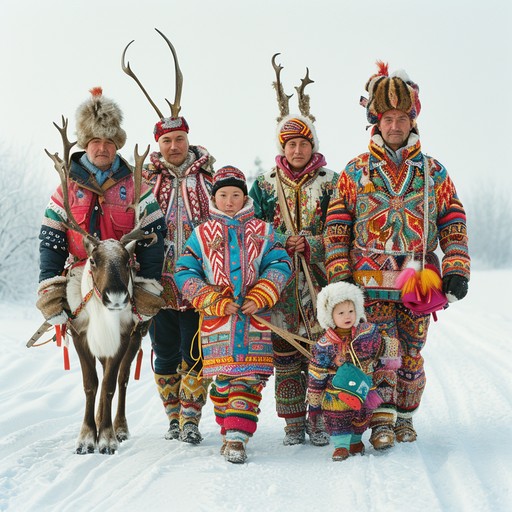
Traditional clothing and handmade objects in Arctic communities often contain powerful symbolism. Materials, patterns, colors, and designs can communicate information about cultural belonging, family connections, regional identity, and relationships with the environment.
Clothing has always had practical importance in Arctic life because protection from extreme weather was essential. However, traditional garments also became expressions of creativity and cultural knowledge. The creation of clothing involved skills passed through generations, including sewing, material preparation, and understanding the properties of different natural resources.
Decorative elements often carried meaning beyond appearance. Patterns and designs could represent animals, landscapes, spiritual beliefs, or historical experiences. Handmade objects such as tools, carvings, and jewelry also reflected cultural values and demonstrated the relationship between functionality and artistic expression.
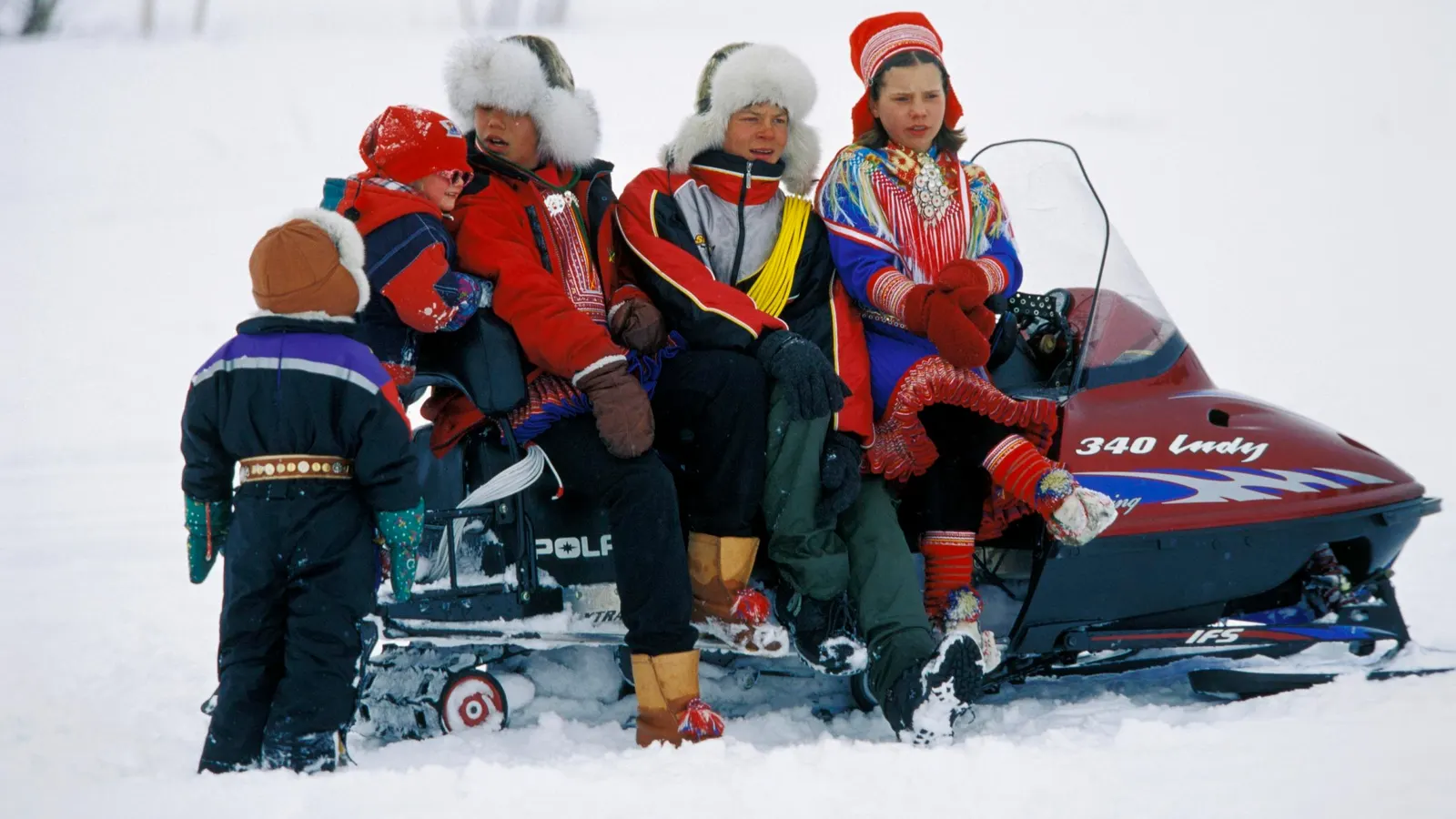
In modern Arctic communities, traditional clothing and art continue to play an important role. They appear during festivals, ceremonies, cultural events, and public celebrations, allowing people to express identity while maintaining connections with their heritage.
Music, Dance, and Storytelling as Cultural Memory
Sound and movement are among the most powerful forms of cultural expression in Arctic ceremonies. Songs, chants, dances, and storytelling traditions preserve knowledge that connects generations and strengthens community bonds.
Among the Sámi people, joik represents one of the most distinctive forms of musical expression. Rather than simply describing a person, animal, or place, a joik is often understood as a way of creating a deeper connection with its subject. It carries emotional and spiritual meaning, preserving memories and relationships through sound.
In many Inuit communities, storytelling, drum traditions, and ceremonial performances have served as ways to teach younger generations about history, values, and relationships with the world. Stories often contain lessons about cooperation, respect, courage, and the consequences of ignoring the balance between humans and nature.
These forms of expression are especially important because they allow cultural knowledge to survive even when written records are limited. Through voices, movements, and shared experiences, communities preserve histories that might otherwise disappear.
Seasonal Ceremonies and the Rhythm of Arctic Life
The Arctic is defined by dramatic seasonal changes, and ceremonies have traditionally reflected these natural cycles. The return of sunlight after the polar night, the beginning of hunting seasons, successful harvests, and important transitions in community life have all been occasions for gatherings and cultural practices.
Seasonal ceremonies helped communities organize their relationship with the environment. They marked important moments in time and provided opportunities for people to come together after periods of isolation caused by harsh weather conditions.
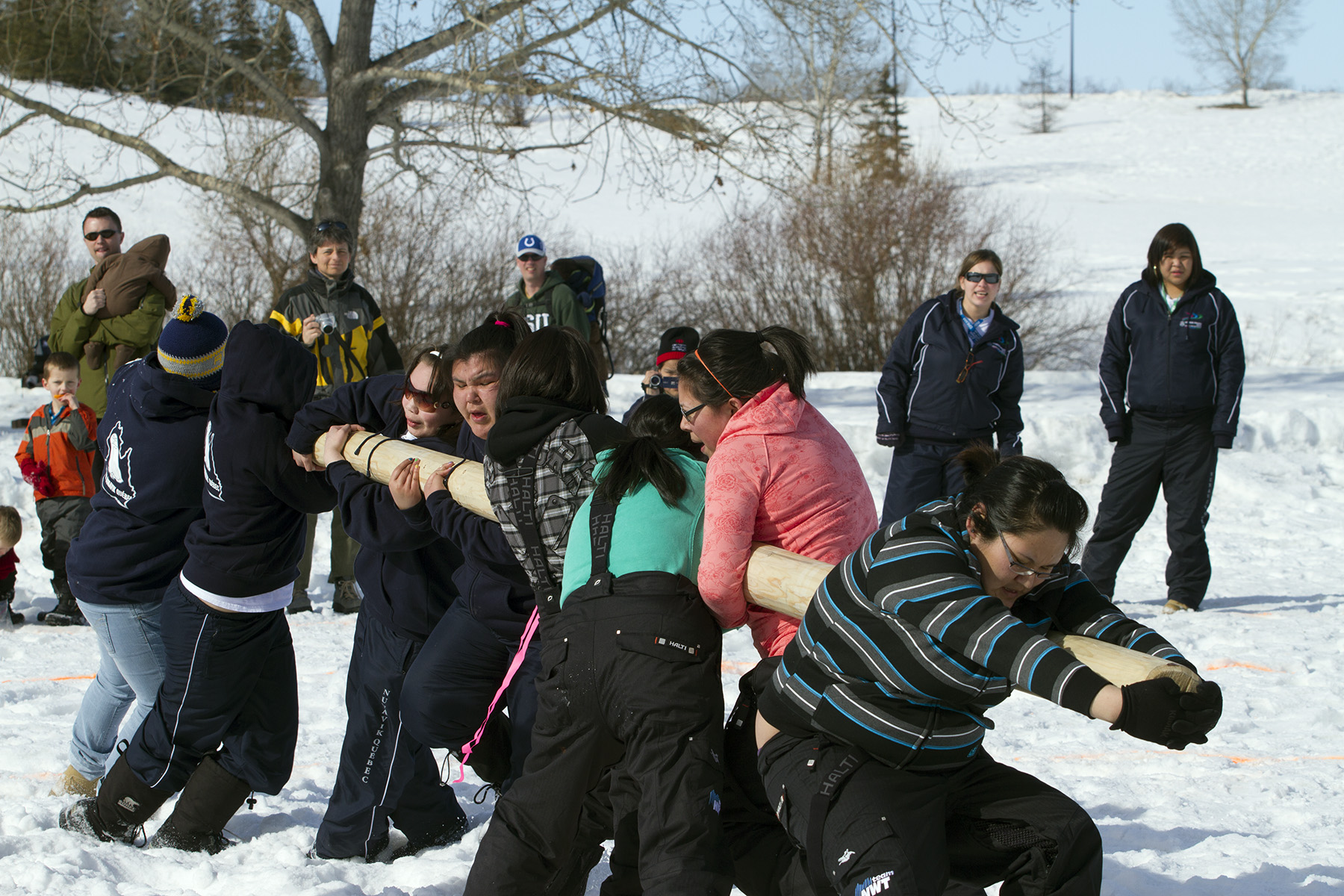
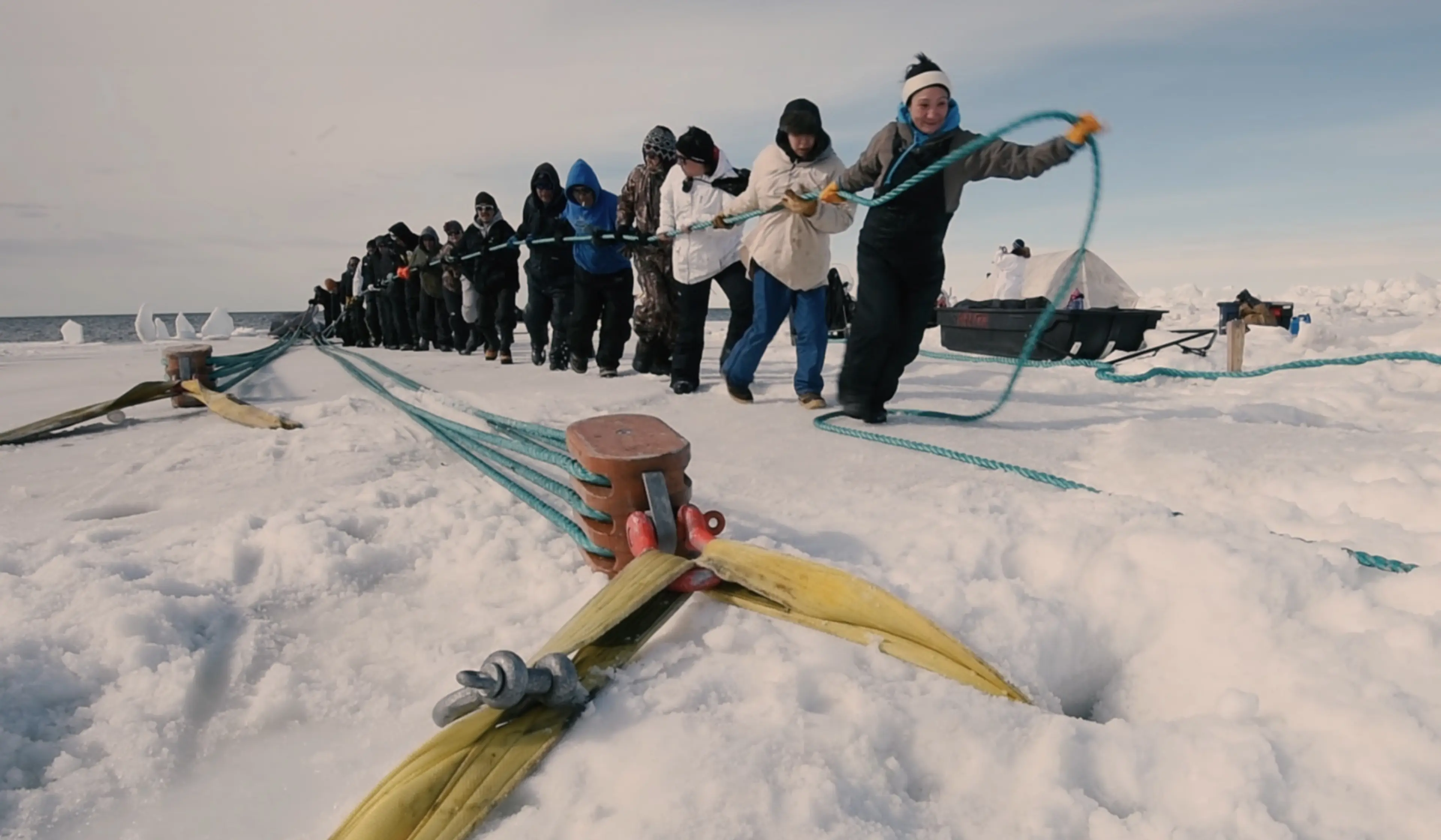
These gatherings were not only spiritual or symbolic but also social. They strengthened relationships, allowed knowledge to be exchanged, and reinforced a sense of collective identity. In environments where cooperation was essential for survival, ceremonies helped maintain the bonds that connected individuals and families.
Even today, seasonal celebrations remain important in many Arctic communities because they provide opportunities to honor traditions while adapting them to contemporary life.
The Role of Ceremonies in Cultural Survival
Throughout history, many Arctic Indigenous cultures have experienced external pressures, including attempts at assimilation, restrictions on traditional practices, and changes caused by modernization. In this context, ceremonies have become powerful tools of cultural survival.
Maintaining ceremonies allows communities to preserve languages, values, stories, and social connections. They create spaces where younger generations can experience their heritage directly and understand that culture is not only something inherited from the past but something actively practiced.
Cultural revival movements across the Arctic have contributed to the return and strengthening of many traditions. Communities have worked to restore languages, teach traditional skills, and create opportunities for ceremonies to continue in meaningful ways.
These efforts demonstrate that cultural traditions are not fragile remnants of history. They are living systems capable of adapting while maintaining their fundamental principles.
Symbols That Connect Past, Present, and Future
Ceremonies and symbolism in Arctic communities represent a profound relationship between people, culture, and the natural world. They preserve memories of ancestors, express respect for the environment, and strengthen the identity of communities facing constant change.
Every song, object, movement, and symbol carries a story. These traditions remind people where they come from and provide guidance for the future. They demonstrate that cultural identity is not created only through historical records but through everyday acts of remembering, sharing, and participating.
In a rapidly changing Arctic, ceremonies continue to serve as powerful connections between past and present. They protect knowledge, strengthen communities, and ensure that the voices and traditions of northern peoples remain alive for generations to come.