
Sport as a Living Connection to Heritage
In the northernmost regions of the world, where communities have adapted to some of the planet’s most demanding environments, sport represents far more than physical competition. Indigenous sports are living expressions of history, identity, and cultural knowledge that have been preserved through generations. From Arctic communities in Alaska and Canada to the Sámi territories of Scandinavia and other northern regions, traditional sports serve as a bridge between ancestors and younger generations, ensuring that important skills, values, and stories continue to exist in a rapidly changing world.
Unlike many modern sports that are primarily focused on records, rankings, and individual achievement, Indigenous northern sports are deeply connected to community life and the natural environment. They reflect the realities of living in Arctic conditions, where strength, endurance, cooperation, and awareness of the surrounding landscape were essential for survival. Every movement, challenge, and competition carries a meaning that extends beyond the sporting arena, preserving knowledge that has shaped northern cultures for centuries.
Indigenous sports keep cultures alive because they transform traditions into active experiences. Instead of remaining only in historical accounts or memories, cultural practices continue through participation. Young athletes do not simply learn how to compete; they learn where they come from, what their communities value, and how their ancestors interacted with the world around them.
The Deep Roots of Northern Indigenous Sports
Many Indigenous sports developed from practical skills that were necessary for everyday life in northern environments. For communities living in regions characterized by extreme cold, long winters, and challenging terrain, physical abilities were closely connected to survival. Balance, agility, endurance, strength, and mental discipline were not only athletic qualities but essential skills needed for hunting, traveling, building shelters, and protecting communities.
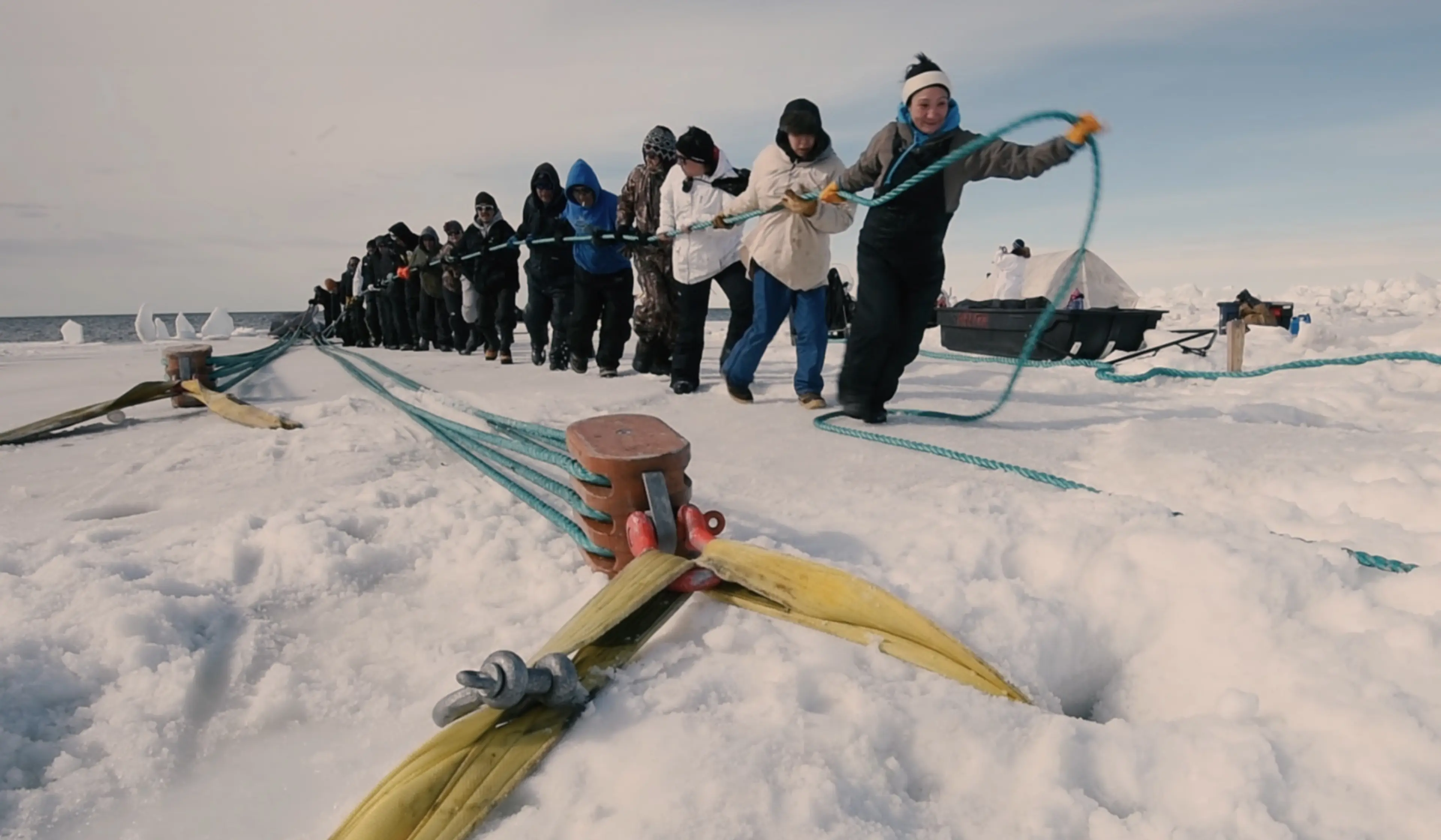
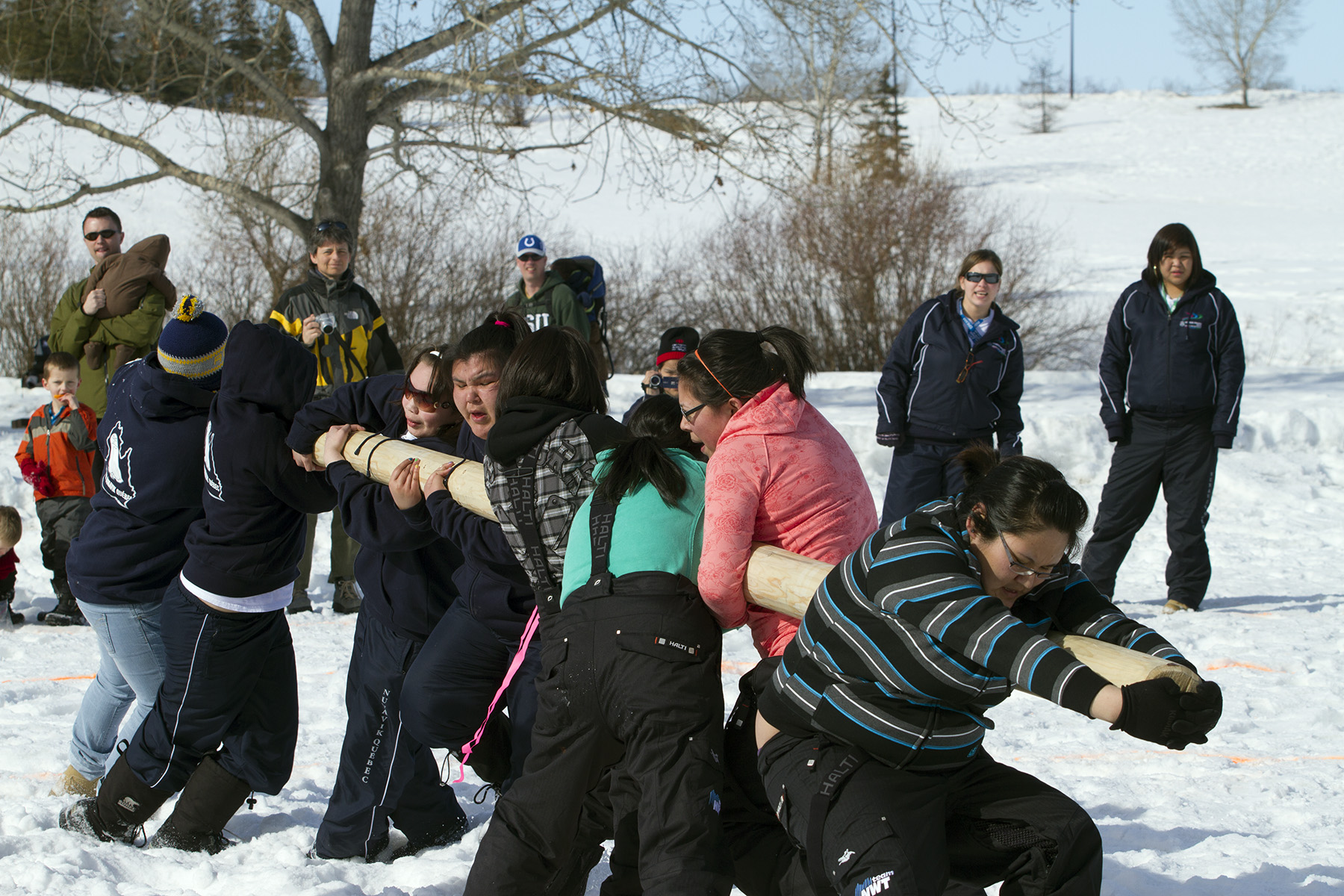
Traditional Arctic competitions often grew from these everyday activities. Events involving jumping, pulling, lifting, balance, and endurance were influenced by real experiences faced by northern peoples. A movement practiced in competition might reflect the ability to move across unstable ice, carry heavy equipment, or endure difficult conditions during long journeys.
Over time, these skills became cultural traditions shared during gatherings and celebrations. Communities used sports as opportunities to bring people together, exchange knowledge, and honor the abilities that allowed their ancestors to thrive. The transition from survival skill to organized competition did not remove the original meaning; instead, it created a new way to preserve and celebrate that knowledge.
The continued practice of Indigenous sports demonstrates that culture is not something frozen in the past. It is something that evolves through action, participation, and community involvement.
Preserving Identity Through Movement and Competition
For many Indigenous communities, maintaining cultural identity has become increasingly important in the face of globalization, modernization, and historical pressures that have threatened traditional ways of life. Indigenous sports provide a powerful response to these challenges because they allow people to express identity in a visible and meaningful way.
Participation in traditional sports creates a direct connection to heritage. A young person learning an Arctic athletic discipline is not only developing physical abilities but also gaining knowledge about cultural values, stories, and traditions. They become part of a larger chain of knowledge that connects generations.
The importance of this connection is especially significant for communities where languages, customs, and traditional practices have experienced periods of suppression or decline. Sports can become a pathway for cultural renewal because they create positive spaces where traditions are celebrated rather than hidden.
During competitions and cultural events, athletes often represent not only themselves but their communities. Their participation becomes a statement of pride and resilience, showing that Indigenous cultures remain strong and continue to contribute to the modern world.
The Role of Elders and Intergenerational Learning
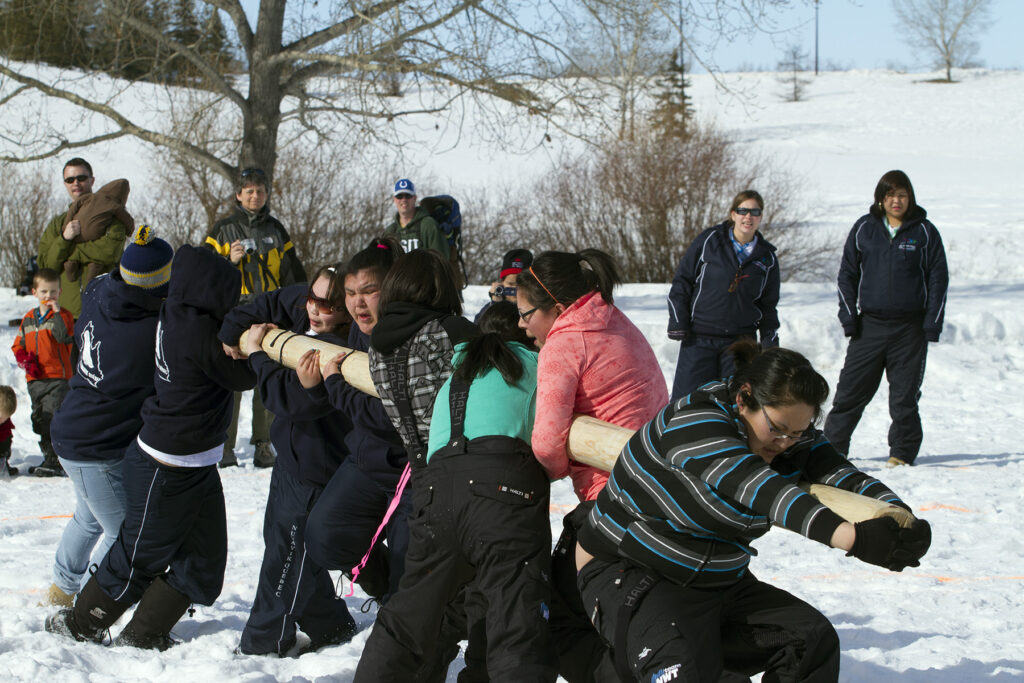
One of the most important ways Indigenous sports preserve culture is through the relationship between generations. In many northern communities, elders play a central role in teaching younger people the techniques, meanings, and values connected with traditional activities.
This learning process goes beyond physical instruction. Elders share stories about the origins of sports, explain their cultural significance, and provide lessons about respect, patience, and responsibility. Through this exchange, young athletes gain a deeper understanding of their heritage and their place within their community.
Unlike formal education systems that often separate knowledge into different subjects, Indigenous learning frequently combines physical practice with cultural understanding. A training session can become a history lesson, a conversation about values, and an opportunity to strengthen relationships between generations.
This transfer of knowledge is essential because traditions survive only when they are actively practiced. Without young people who understand and value these customs, even the strongest traditions can gradually disappear. Indigenous sports create a natural environment where knowledge can continue moving from one generation to the next.
Community Strength and Shared Experiences
Indigenous sports are powerful because they unite communities. In many northern regions, where populations may be small and geographically separated, sporting events create opportunities for people to gather, reconnect, and celebrate shared identity.
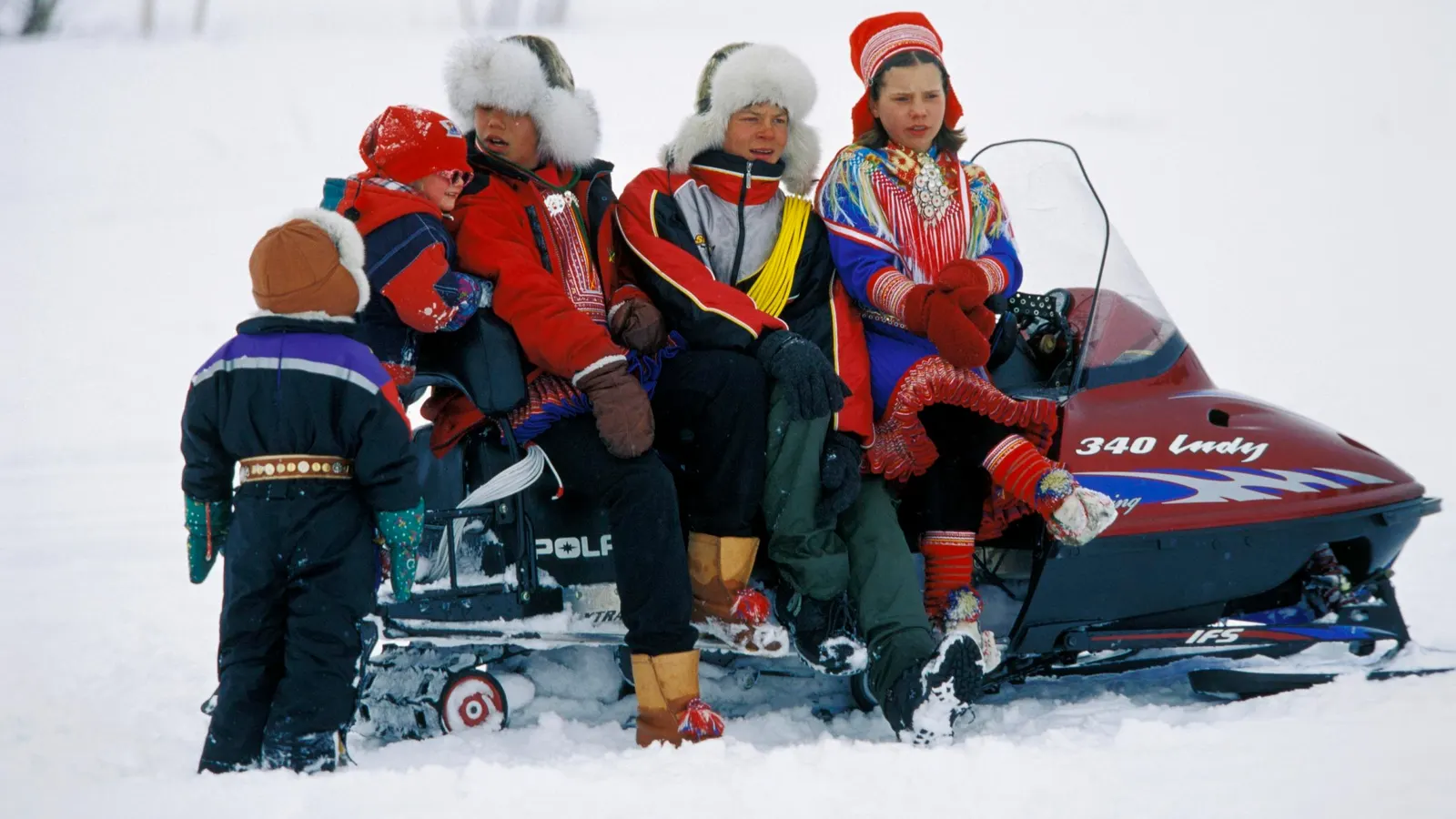
These events often become much more than competitions. They include storytelling, music, traditional clothing, ceremonies, and cultural activities that reinforce a sense of belonging. The entire community becomes part of the experience, including athletes, families, elders, and supporters.
This collective participation reflects traditional northern values, where cooperation and mutual support have always been essential. Success has historically depended on people working together, sharing resources, and supporting one another. Indigenous sports preserve this philosophy by emphasizing community achievement rather than only individual victory.
Even the competitive aspect of these sports often follows a different understanding of success. While winning is appreciated, respect, effort, and participation are equally important. Athletes are encouraged to demonstrate discipline, humility, and appreciation for others.
Indigenous Sports in the Modern World
Today, Indigenous sports continue to adapt to contemporary society while maintaining their cultural foundations. Events such as the Arctic Winter Games have created international platforms where athletes from different northern regions can meet, compete, and share traditions.
These modern competitions demonstrate that traditional sports can exist alongside contemporary athletic systems. They provide opportunities for young athletes to develop skills, represent their communities, and introduce global audiences to Indigenous cultures.
However, modernization also requires careful balance. Greater visibility can create opportunities for recognition and support, but communities must ensure that their traditions are respected and not reduced to simple entertainment. The meaning behind the sports must remain central.
The future of Indigenous sports depends on preserving authenticity while allowing traditions to grow. Just as northern communities have always adapted to changing environments, their cultural practices continue to evolve in ways that reflect both history and modern life.
Protecting Culture in a Changing Arctic
The Arctic itself is changing rapidly. Climate change, environmental shifts, and social transformations are affecting the landscapes and lifestyles that have shaped Indigenous cultures for centuries. In this context, traditional sports have become even more important because they provide stability and connection.
Sports offer a way for communities to maintain relationships with the land and continue practicing skills developed through generations. They remind people that cultural identity is not only found in historical artifacts but in everyday actions, relationships, and shared experiences.
By keeping traditional sports alive, Indigenous communities protect more than athletic practices. They preserve languages, stories, values, and ways of understanding the world. They ensure that future generations inherit not only memories of the past but the ability to actively participate in their cultural heritage.
Strength Beyond the Competition
Indigenous sports are much more than games. They are expressions of survival, identity, and cultural continuity that connect northern communities with their ancestors and their environment. Through movement and competition, they preserve knowledge that might otherwise be lost and create opportunities for younger generations to discover their heritage.
In a rapidly changing world, these traditions demonstrate the power of culture to adapt while remaining rooted in its origins. Indigenous sports show that strength is not only measured by physical ability but by the ability to maintain connections, protect identity, and carry important stories forward.
The future of northern cultures depends on keeping these traditions alive, and Indigenous sports continue to play a vital role in that mission. Every competition, every athlete, and every shared moment becomes part of a larger story—a story of resilience, belonging, and the enduring spirit of the North.