
A Living Tradition in Motion
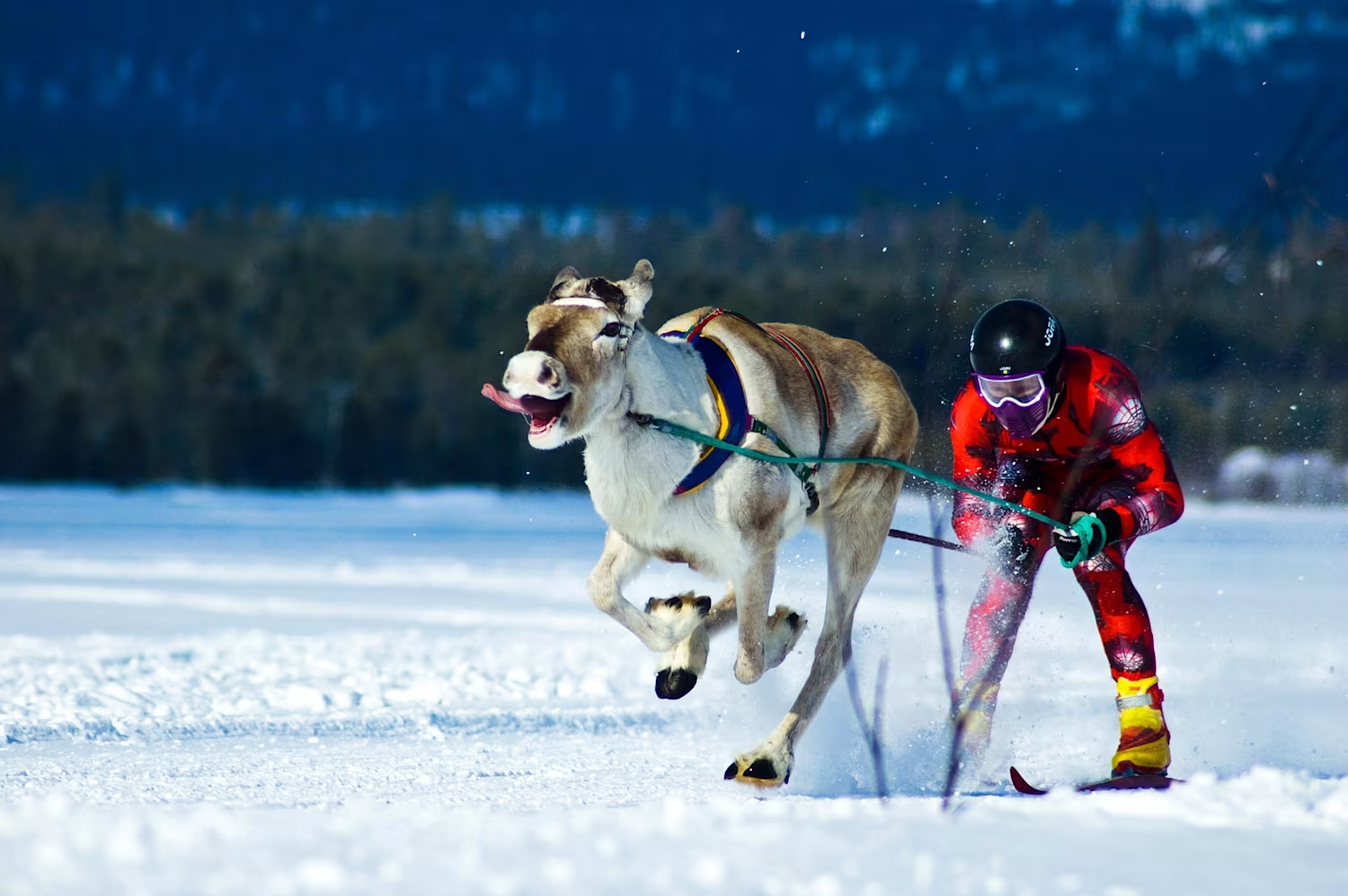
Across the Arctic, where ice, wind, and vast open landscapes shape every aspect of life, sport has never been separate from survival or culture. The Indigenous Arctic Games stand at the intersection of tradition and competition, where ancient practices are not preserved behind glass but brought to life through movement, endurance, and shared experience. These games are not simply athletic contests. They are cultural expressions, deeply rooted in the histories of Indigenous peoples such as the Inuit, Sámi, Dene, and other northern communities.
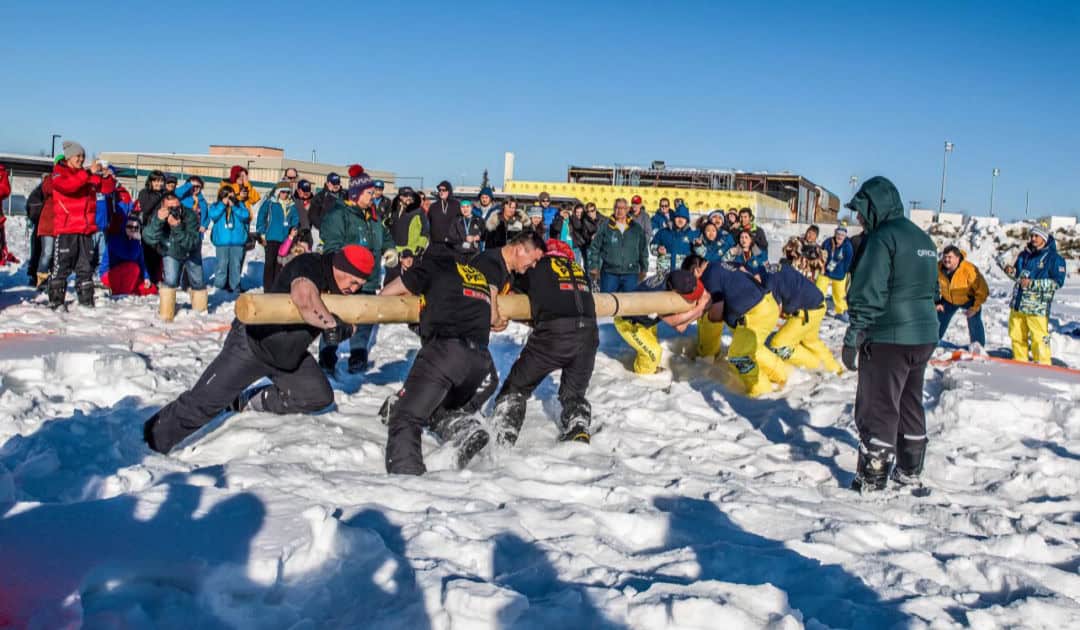
In these arenas—whether a community hall, an outdoor gathering on snow-covered ground, or an international event like the Arctic Winter Games—participants carry more than their own ambitions. They carry stories, values, and identities shaped by generations who learned to thrive in one of the most demanding environments on Earth. Here, competition does not erase tradition; it amplifies it.
From Survival Skills to Structured Competition
The origins of Indigenous Arctic Games lie in the practical realities of life in the North. For centuries, survival depended on strength, agility, balance, and mental endurance. Hunting across unstable ice, pulling heavy loads over long distances, and withstanding extreme cold were not occasional challenges—they were daily requirements. Over time, these essential skills evolved into tests of ability, often performed during gatherings when communities came together to share food, stories, and knowledge.
Jumping events, for example, reflect the need to move efficiently across uneven or dangerous terrain. Endurance-based competitions mirror the long, physically demanding journeys taken during hunting expeditions. Even games that test breath control or pain tolerance have roots in real-life situations where composure under pressure could determine survival.
As these activities became more structured, they retained their original purpose. Rules were developed, techniques refined, and standards established, but the essence remained unchanged. Every movement still echoes a practical skill, every challenge a reminder of ancestral knowledge.
The Meaning of Competition in Arctic Context
Competition in Indigenous Arctic Games differs fundamentally from the win-at-all-costs mentality often associated with modern sports. While there are winners and records, the deeper purpose lies in participation, respect, and self-mastery. Athletes are not only competing against others; they are testing their own limits, learning discipline, and demonstrating resilience.
Success is measured not only by performance but by attitude. Maintaining composure under strain, showing respect for opponents, and accepting both victory and defeat with humility are essential aspects of the experience. This reflects a broader cultural understanding that strength is inseparable from character.
In many events, the line between competition and cooperation becomes blurred. Participants encourage one another, share techniques, and celebrate collective achievement. The focus is not on defeating others but on elevating the entire community.
Signature Events: Strength, Endurance, and Precision
Indigenous Arctic Games feature a range of events that highlight different aspects of physical and mental ability. The one-foot high kick and the Alaskan high kick, for instance, require explosive power, balance, and precise timing. Athletes leap vertically to strike a suspended target, often reaching impressive heights that demonstrate both strength and control.
Other events, such as the knuckle hop, test endurance and pain tolerance as participants propel themselves forward using only their fists and toes. This event, in particular, reflects the harsh realities of Arctic life, where hands and feet are constantly exposed to extreme conditions.
There are also partner-based challenges that emphasize coordination and trust, reinforcing the importance of cooperation. Each event, while physically demanding, carries symbolic meaning, connecting participants to the skills and experiences of their ancestors.
Cultural Identity on Display
The Indigenous Arctic Games are as much about cultural identity as they are about athletic performance. Participants often wear traditional clothing, speak their native languages, and engage in ceremonies that honor their heritage. Music, storytelling, and communal gatherings accompany the competitions, transforming them into holistic cultural events.
For many communities, these games provide a platform to celebrate and reaffirm their identity. In regions where Indigenous cultures have faced historical suppression or marginalization, the visibility of these traditions becomes especially significant. The games serve as a statement of resilience, demonstrating that these cultures are not only surviving but thriving.
Young participants, in particular, benefit from this environment. Through involvement in the games, they gain a deeper understanding of their heritage, building a sense of pride and belonging that extends beyond the arena.
Intergenerational Knowledge and Learning
One of the most powerful aspects of the Indigenous Arctic Games is the way knowledge is transmitted across generations. Elders play a crucial role, offering guidance, sharing stories, and teaching the deeper meanings behind each event. Their presence ensures that the games remain connected to their cultural roots, rather than becoming detached athletic spectacles.
Learning in this context is experiential. Young athletes observe, practice, and gradually internalize not only the physical techniques but also the values embedded in the games. Respect, patience, perseverance, and humility are taught not through lectures but through participation and example.
This intergenerational exchange strengthens community bonds and ensures the continuity of traditions. It also reinforces the idea that cultural knowledge is not static but evolves through active engagement.
The Arctic Winter Games: A Modern Platform
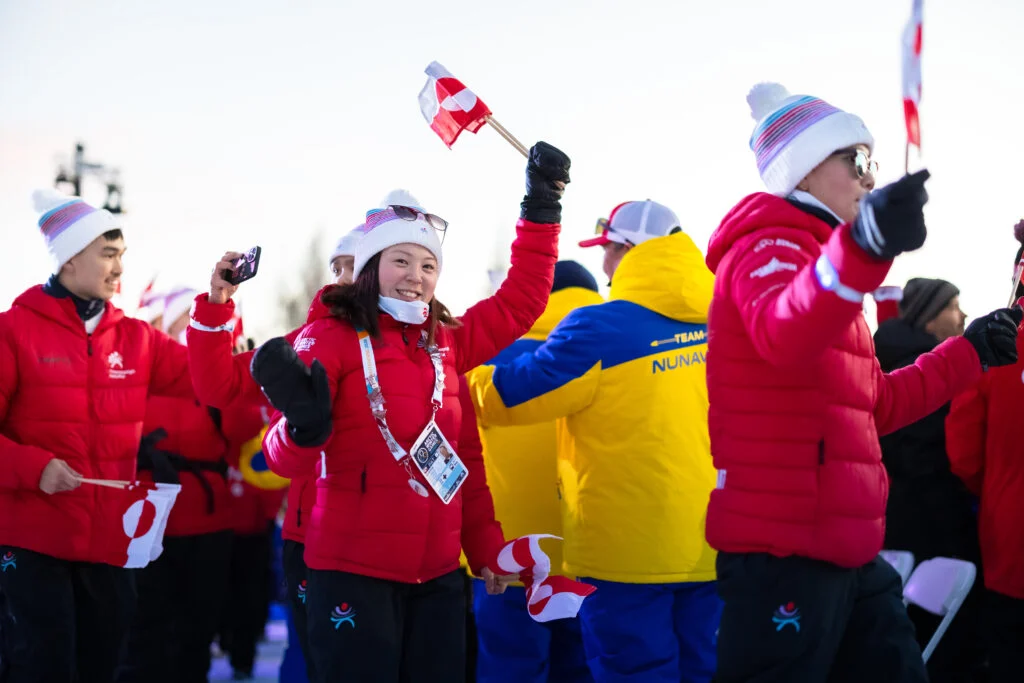
The Arctic Winter Games have become one of the most prominent stages for Indigenous Arctic sports, bringing together participants from across northern regions, including Alaska, Northern Canada, and Greenland. While the event incorporates modern organizational structures and international participation, it remains deeply rooted in Indigenous traditions.
The Games provide an opportunity for athletes to showcase their skills on a larger stage, fostering cultural exchange and mutual respect among diverse communities. They also highlight the relevance of Indigenous knowledge in contemporary society, challenging stereotypes and broadening global understanding of Arctic cultures.
At the same time, maintaining authenticity within such a large-scale event requires careful balance. Organizers and communities work to ensure that the cultural integrity of the games is preserved, even as they evolve to meet modern expectations.
Challenges and Adaptation in a Changing World
Like many cultural traditions, the Indigenous Arctic Games face challenges in the modern era. Climate change is altering the physical environment, affecting the conditions under which many traditional activities take place. Urbanization and shifting lifestyles can also reduce opportunities for young people to engage with these practices.
However, the adaptability of these games has allowed them to endure. Communities continue to find ways to integrate traditional sports into contemporary life, whether through school programs, local competitions, or international events. Technology and media have also played a role in increasing visibility, allowing these traditions to reach wider audiences.
This adaptability does not mean abandoning tradition. Instead, it reflects the same resilience that has defined Arctic peoples for generations—the ability to evolve while remaining grounded in cultural identity.
A Bridge Between Past and Future
The Indigenous Arctic Games represent a unique fusion of tradition and competition, where the past is not left behind but carried forward into the present. They are a testament to the strength, resilience, and cultural richness of Arctic communities.
Through these games, participants connect with their heritage, build relationships, and develop both physical and mental strength. They demonstrate that competition can coexist with cooperation, that tradition can thrive within modern frameworks, and that identity can be preserved through active participation rather than passive remembrance.
In a world that is constantly changing, the Indigenous Arctic Games stand as a powerful reminder that true strength lies not only in individual achievement but in the enduring bonds between people, culture, and place.