
A Tradition Born from the Arctic Landscape
Far beyond the familiar arenas of modern sports, where competitions are often measured by speed, records, and individual achievements, there exists a unique northern tradition that represents something much deeper than athletic performance. Reindeer racing is a remarkable expression of Arctic culture, a sport where human skill, animal cooperation, and centuries of traditional knowledge come together in a celebration of resilience and connection with nature. Practiced primarily among northern Indigenous communities, especially the Sámi people of Scandinavia and other Arctic regions, reindeer racing reflects a relationship between humans and animals that has been shaped by generations of life in one of the most challenging environments on Earth.
For northern communities, reindeer have never been simply a means of transportation or a source of resources. They have been an essential part of cultural identity, spirituality, and everyday life, helping people navigate vast snowy landscapes, providing materials for clothing and tools, and supporting communities through harsh winters. Reindeer racing transforms this long-standing relationship into a public celebration where tradition meets competition, allowing athletes and communities to demonstrate knowledge, patience, endurance, and respect for the natural world.
Unlike many modern sports that separate humans from the environment around them, reindeer racing is built on cooperation. The athlete does not compete alone, and victory does not depend only on physical strength or technical ability. It depends on the connection between the person and the animal, on understanding behavior, adapting to changing conditions, and working together as a team.
The Historical Connection Between Reindeer and Northern Communities
The origins of reindeer racing are closely connected to the history of life in Arctic regions, where survival required a deep understanding of the landscape and the animals that inhabited it. For centuries, reindeer played a central role in northern societies, especially among communities that developed specialized knowledge of herding, migration patterns, and seasonal changes. Before modern vehicles and infrastructure transformed transportation in remote areas, reindeer were among the most reliable ways to travel across frozen terrain.
The skills needed to manage and work with reindeer were developed through daily life rather than formal training. People learned how to guide animals across snow-covered landscapes, how to recognize their behavior, and how to maintain a balance between human needs and animal well-being. Over time, these practical abilities became part of cultural celebrations, where communities gathered to share stories, compete, and honor traditions that connected generations.
Reindeer racing emerged from this environment as a natural extension of existing knowledge. What began as demonstrations of skill and cooperation gradually developed into organized competitions, but the deeper meaning remained unchanged. The sport continued to represent the values that had allowed northern communities to survive for centuries: patience, adaptability, respect, and a close relationship with the natural world.
The Art and Skill Behind Reindeer Racing
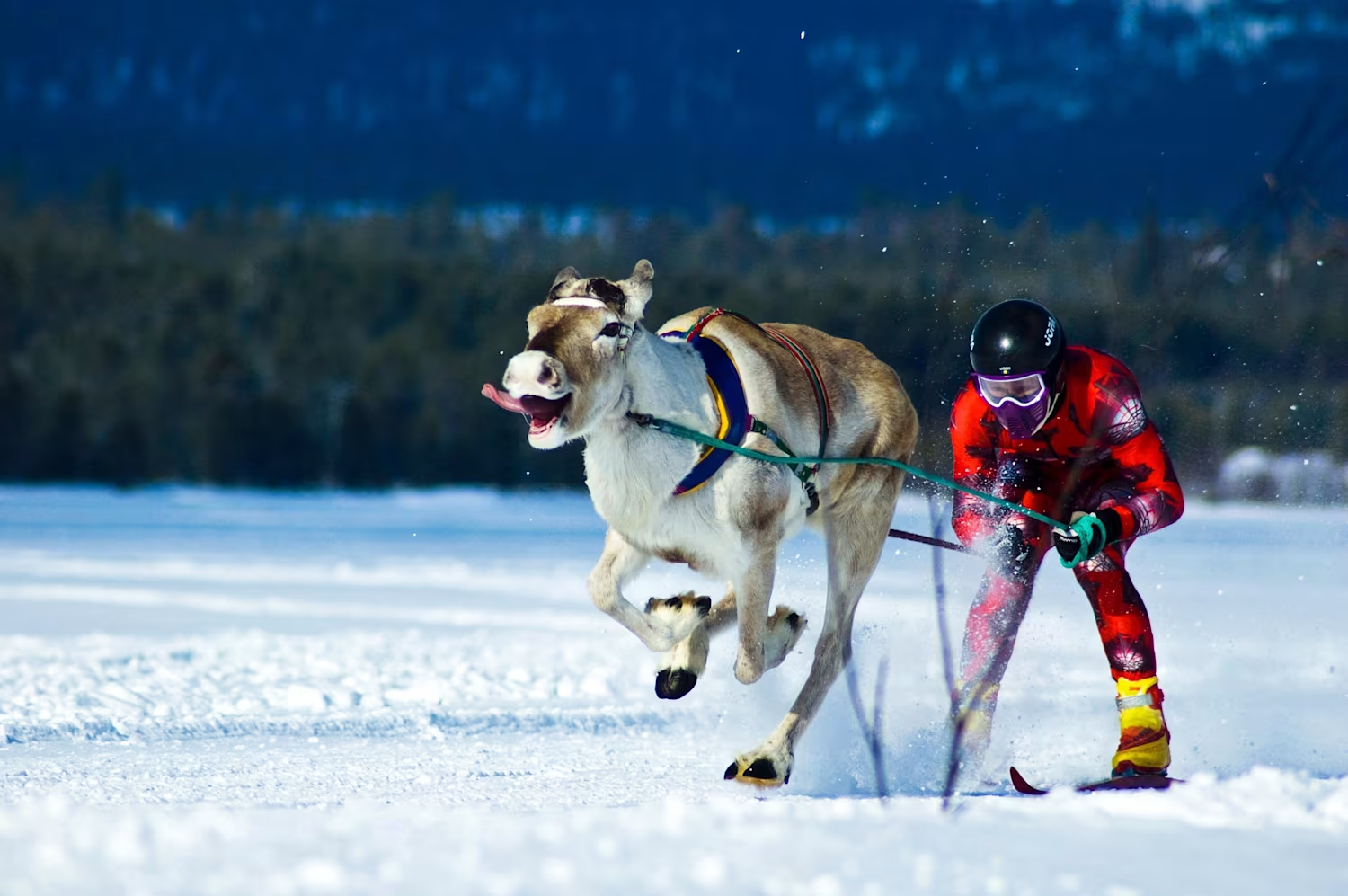
At first glance, reindeer racing may appear to be a simple competition based on speed, but behind every race lies a complex combination of preparation, experience, and communication. Depending on the region and event, races may involve reindeer pulling sleds or competitors being pulled on skis across snowy tracks. While the format may vary, the fundamental principle remains the same: success depends on cooperation between the athlete and the animal.
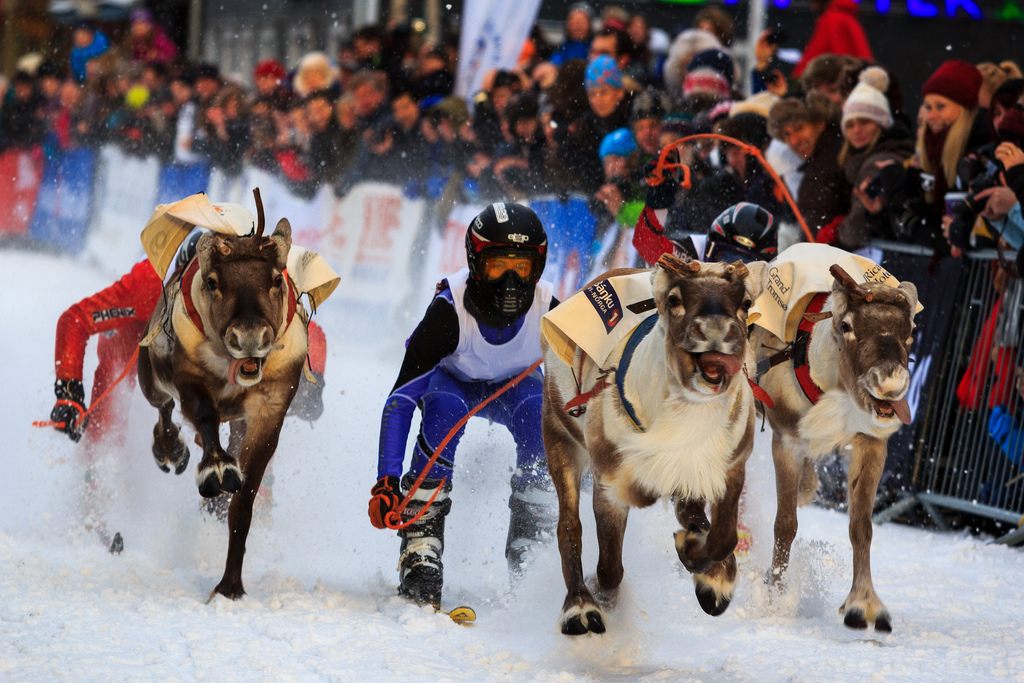
The physical demands placed on competitors are significant. Racing through snow and ice requires balance, endurance, quick reactions, and the ability to maintain control in unpredictable conditions. Athletes must understand how to move efficiently, how to respond to sudden changes in speed, and how to work with the natural rhythm of the reindeer rather than against it.
However, the most important skill is not physical strength but knowledge. Experienced competitors develop an understanding of individual animals, recognizing differences in temperament, energy levels, and behavior. They know when an animal needs encouragement, when it needs rest, and how environmental conditions may influence performance. This knowledge is built over years of interaction and reflects a form of expertise that cannot be learned only from manuals or training programs.
The relationship between athlete and reindeer is based on trust. Unlike sports where equipment is simply controlled by the competitor, reindeer racing involves another living participant with its own instincts and responses. This creates a unique dynamic where success depends on cooperation rather than domination.
Reindeer Racing as a Symbol of Cultural Identity
Beyond the excitement of competition, reindeer racing carries profound cultural significance. For Indigenous northern communities, traditional sports are powerful tools for preserving identity and maintaining connections with ancestral knowledge. They provide younger generations with opportunities to learn about their heritage in a direct and meaningful way.
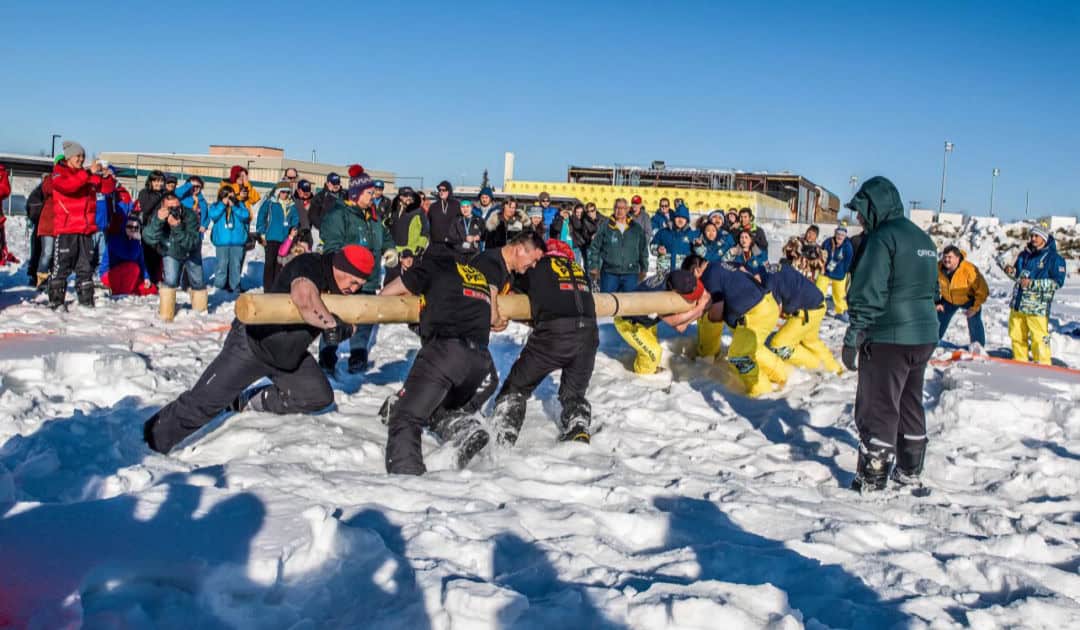
Many reindeer racing events take place alongside cultural festivals where communities celebrate music, traditional clothing, storytelling, crafts, and local customs. These gatherings are not only about sport but about creating spaces where cultural traditions remain visible and active. They allow participants to experience history as something living rather than something preserved only in museums or written records.
For younger people growing up in rapidly changing societies, participation in traditional sports can provide a strong sense of belonging. Learning the skills connected with reindeer racing means learning stories, values, and perspectives that have shaped their communities for generations. It creates a connection between the past and the future, showing that cultural traditions can continue to evolve while maintaining their original meaning.
Reindeer racing also helps introduce Arctic cultures to wider audiences. Through international attention and cultural exchange, the sport demonstrates the richness and diversity of northern traditions, challenging the idea that Arctic communities are defined only by isolation or historical lifestyles. Instead, it shows communities that are active, innovative, and deeply connected to their heritage.
Challenges and the Future of a Northern Tradition
Like many traditional practices, reindeer racing faces challenges in the modern world. Climate change is one of the greatest concerns affecting Arctic communities, as changing temperatures, unpredictable snowfall, and altered landscapes influence traditional ways of life. Since reindeer depend heavily on specific environmental conditions, changes in the Arctic ecosystem can affect both herding practices and cultural activities connected with these animals.
Social and economic changes also influence the continuation of traditional sports. Younger generations often face new opportunities and responsibilities that may reduce the time available for participating in cultural practices. Maintaining interest in reindeer racing requires creating opportunities for young people to engage with the tradition and understand its importance.
At the same time, the sport has shown remarkable adaptability. Modern events have introduced improved organization, broader promotion, and opportunities for cultural exchange while preserving the values that define the tradition. Communities continue to find ways to combine contemporary approaches with ancestral knowledge, ensuring that reindeer racing remains relevant in the modern world.
An important part of this evolution is maintaining respect for animal welfare. The future of reindeer racing depends on recognizing that the animals are not simply participants in a competition but partners in a cultural relationship. Responsible practices that prioritize health, care, and respect ensure that the tradition can continue without losing its connection to the values that created it.
A Sport That Preserves the Spirit of the North
Reindeer racing represents one of the most fascinating examples of how sport can become a powerful expression of culture, history, and identity. It is not merely a contest of speed but a reflection of the relationship between people, animals, and the Arctic environment. Every race carries centuries of knowledge, demonstrating how northern communities have adapted to their surroundings while maintaining a strong connection to their traditions.
In a world where many ancient practices are disappearing under the pressure of modernization, reindeer racing offers an inspiring example of cultural resilience. It proves that traditions can survive when communities continue to practice, celebrate, and share them with future generations.
The true value of reindeer racing is not measured only by who crosses the finish line first. Its importance lies in the stories it preserves, the relationships it strengthens, and the identity it protects. Through this unique northern sport, the spirit of the Arctic continues to move forward—carried by the partnership between humans, reindeer, and the land they have shared for centuries.