
More Than a Sporting Event
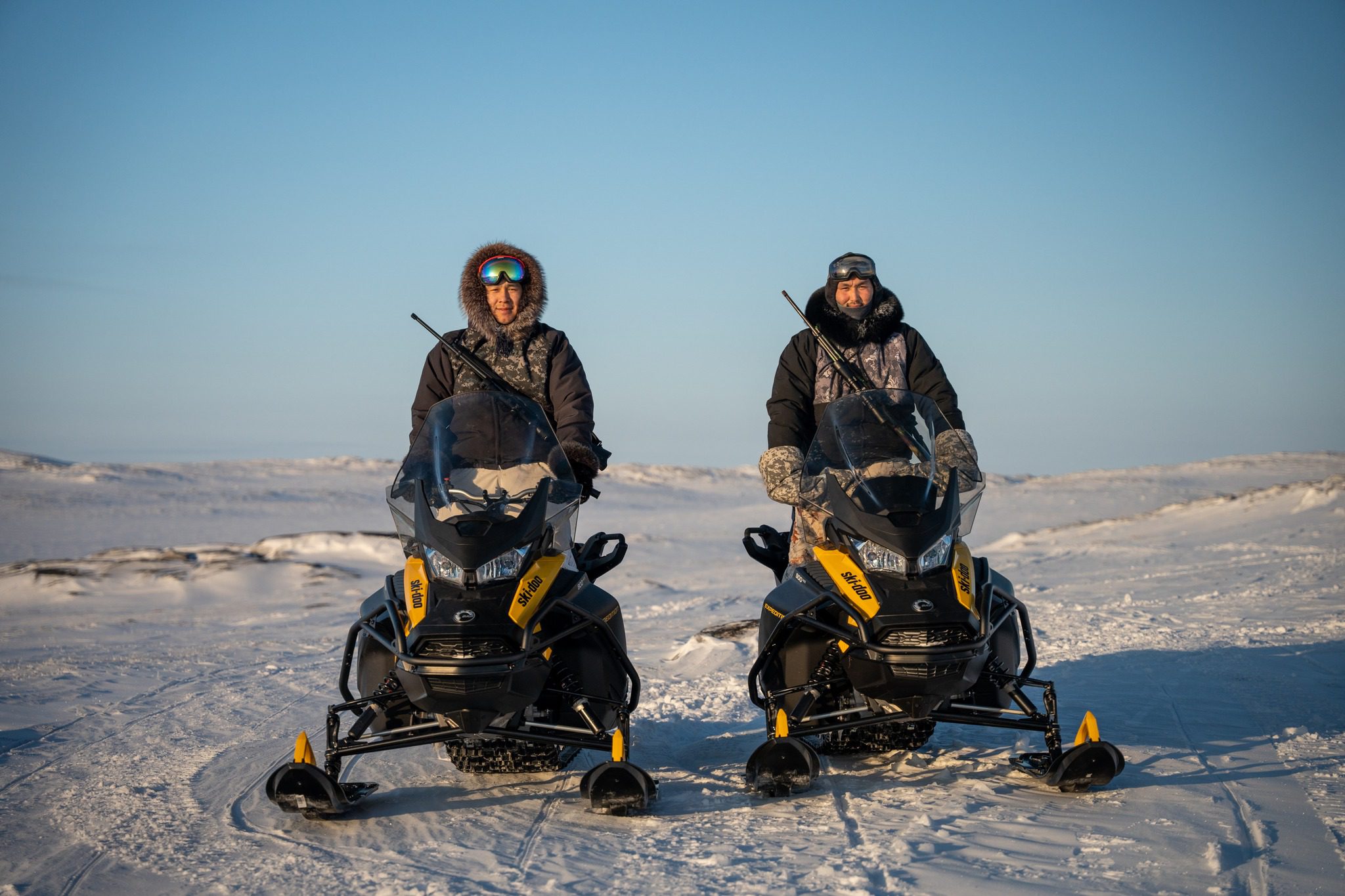
In the northernmost regions of the world, where communities are often separated by enormous distances and where daily life requires strength, cooperation, and resilience, sporting competitions have a meaning that reaches far beyond the boundaries of the playing field. Arctic and northern competitions are not simply gatherings where athletes measure their abilities against one another. They are cultural celebrations where families reunite, communities strengthen their connections, and generations come together to share experiences that reflect their history and identity.
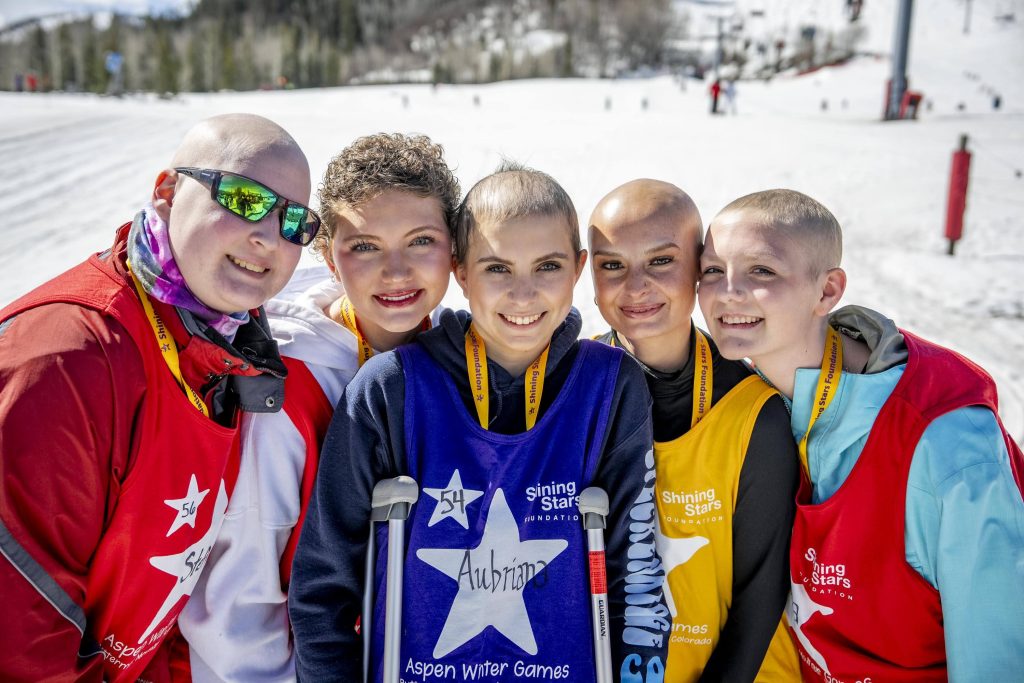
The atmosphere surrounding northern competitions is created not only by the athletes who participate but also by the people who stand beside them. Fans, families, elders, volunteers, and community members all contribute to the unique spirit that defines these events. Their encouragement, stories, traditions, and presence transform competitions into moments of collective celebration.
In many northern communities, attending a sporting event is not only about watching a contest. It is about supporting relatives, reconnecting with friends, honoring traditions, and celebrating the strength of the community itself. The competition becomes a shared experience where everyone has a role, whether they are competing, cheering, preparing food, telling stories, or simply being present.
The Community Behind Every Athlete
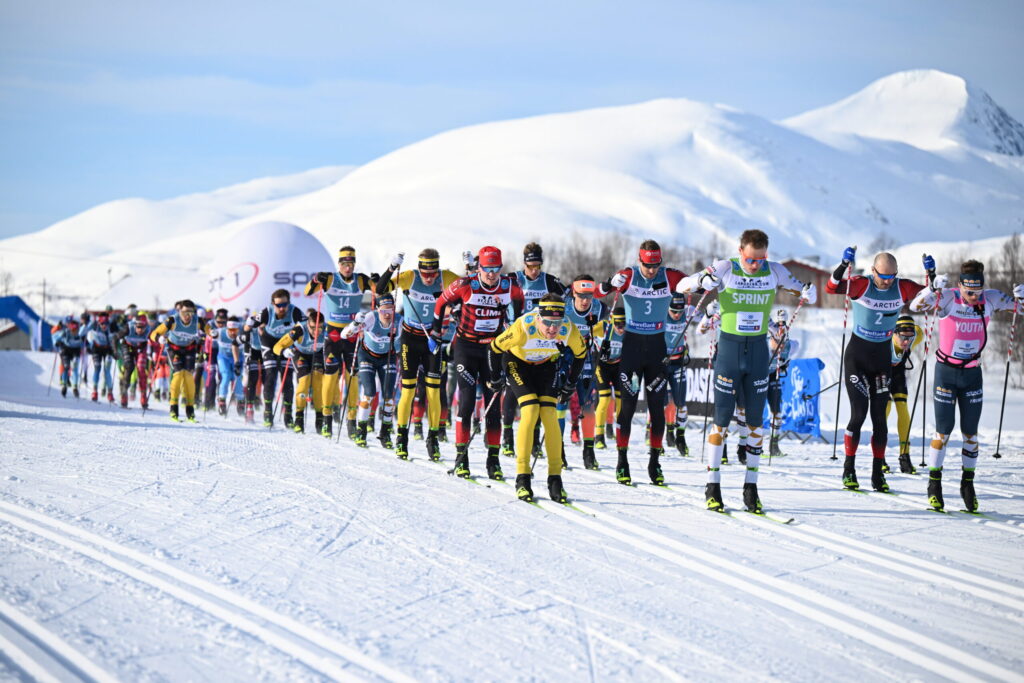
In many parts of the world, sport is often viewed as an individual journey where success belongs primarily to the athlete. In northern communities, however, achievement is frequently understood as a collective effort. Behind every competitor stands a network of family members, coaches, friends, and community supporters who have contributed to their development.
Families often play an essential role in supporting athletes from an early age. They provide transportation, encouragement, equipment, and emotional support, especially in remote areas where access to organized training can be limited. Parents and relatives frequently become involved not only as supporters but also as teachers, helping young athletes learn traditional skills and understand the cultural meaning behind competitions.
This collective approach reflects the values that have long shaped northern societies. Survival in Arctic environments historically depended on cooperation, and this same principle continues to influence the way communities approach sport. An athlete’s success is celebrated not only as a personal achievement but as a reflection of the strength and dedication of everyone who helped along the way.
Families as Keepers of Tradition
Families play a particularly important role in preserving the cultural significance of northern competitions. Many traditional sports are passed through generations within families, with skills, techniques, and stories shared between parents, grandparents, and children.
A young participant learning a traditional Arctic sport is often learning much more than physical movement. They are discovering the history of their people, the importance of discipline, and the values that define their community. Family members often provide the first introduction to these traditions, creating a connection between personal experience and cultural heritage.
During competitions, families become visible symbols of this continuity. Grandparents may watch grandchildren participate in events that they once practiced themselves, creating powerful moments where past and present meet. These experiences reinforce the idea that traditions survive because they are actively lived and shared.
The involvement of families also helps younger generations understand that they are part of something larger than themselves. They are not simply athletes competing in a sport; they are participants in a cultural story that has continued for many generations.
Fans and the Unique Atmosphere of Northern Competitions
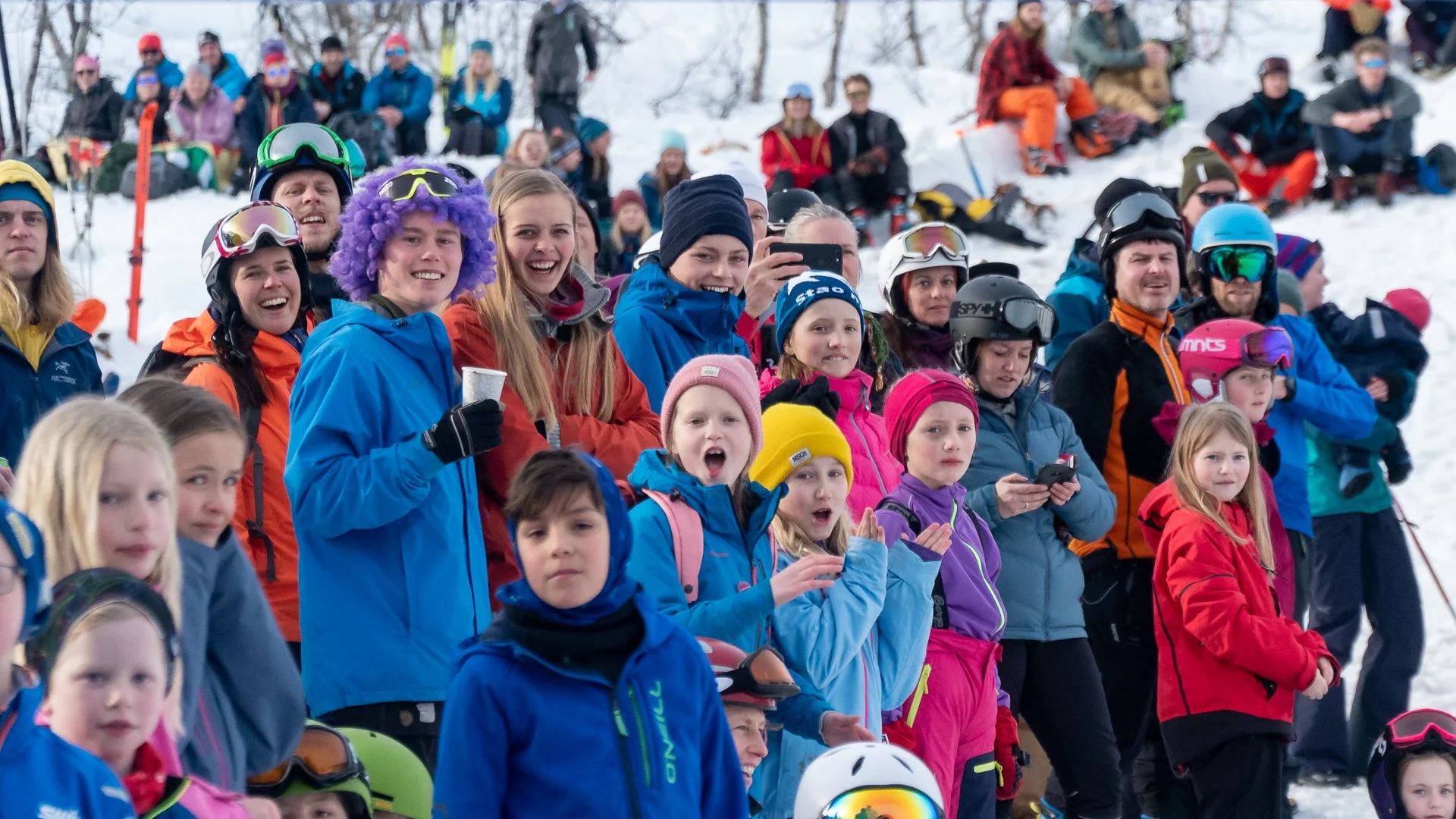
The role of fans in northern competitions is unlike the atmosphere found in many professional sporting environments. While enthusiasm and excitement are certainly present, the focus is often less on creating a spectacle and more on creating a sense of community.
Spectators are frequently connected personally to the athletes. A competitor may be a neighbor, relative, friend, or member of a nearby community. This personal connection creates a powerful atmosphere where every performance is met with genuine support and encouragement.
In traditional Arctic sports, fans often understand the deeper meaning behind what they are watching. They recognize the history behind certain movements, the difficulty of competing in extreme conditions, and the cultural importance of maintaining these traditions. Their support is not only for the athlete but for the continuation of a shared heritage.
The sounds of northern competitions often reflect this connection. Cheers, conversations, traditional songs, and stories become part of the event itself. The audience does not simply observe the competition; they become part of the experience.
Celebrating Culture Through Competition
Northern sporting events often combine athletic competition with cultural celebration. The gathering may include traditional music, local food, storytelling, crafts, and ceremonies that reflect the identity of the community hosting the event.
For families and fans, these elements are just as important as the competitions themselves. They create opportunities for people to reconnect with cultural practices and introduce younger generations to traditions in an enjoyable and meaningful environment.
These celebrations also allow different communities to learn from one another. Participants and spectators from various regions may share similar Arctic experiences while maintaining unique languages, histories, and customs. Sporting events become spaces where cultural exchange happens naturally.
The combination of sport and culture demonstrates that competition does not have to separate people. Instead, it can create opportunities for understanding, cooperation, and appreciation.
The Importance of Elders and Community Storytelling
Elders often hold a special place within northern competitions because they carry knowledge about traditions, history, and community values. Their presence connects modern events with the generations that came before.
During competitions, elders may share stories about past athletes, explain the origins of specific sports, or offer guidance to younger participants. Their voices provide context and meaning, reminding everyone that these activities are part of a much longer cultural journey.
Storytelling is a powerful element of northern community life because it preserves knowledge that cannot always be captured in written form. Through stories, people learn about courage, respect, perseverance, and the relationship between humans and the natural world.
When elders attend and participate in sporting events, they help ensure that competitions remain connected to their cultural roots rather than becoming purely athletic contests.
Challenges in Maintaining Community Participation
Although northern competitions remain important cultural events, maintaining strong community involvement can be challenging. Remote locations, travel costs, changing lifestyles, and limited resources can make participation difficult for some families and communities.
Younger generations may also face competing priorities as they pursue education, careers, and opportunities outside their home regions. Ensuring that they remain connected to traditional sports requires creating welcoming environments where participation feels meaningful and relevant.
Many communities are responding by adapting their events, using technology to increase accessibility, and creating programs that encourage youth involvement. These efforts demonstrate the same resilience that has always characterized northern societies.
The future of northern competitions depends on maintaining the connection between athletes, families, and communities. Without the support of those who gather around the sport, traditions risk losing the social foundation that keeps them alive.
The True Spirit of Northern Competitions
The heart of northern competitions is not found only in victories, records, or athletic achievements. It exists in the people who gather together, support one another, and celebrate shared identity. Fans, families, and community members create the environment that gives these events their meaning.
Through their involvement, they transform competitions into expressions of culture, connection, and resilience. They remind athletes that they are supported by an entire community and show younger generations that traditions remain valuable in the modern world.
In the Arctic and other northern regions, sport is a powerful reminder that people are strongest when they stand together. The cheers of fans, the support of families, and the presence of communities create a spirit that extends far beyond competition—a spirit built on belonging, respect, and the enduring strength of northern cultures.