
Sport as a Bridge Across the Arctic
In the remote northern regions of the world, where communities are often separated by enormous distances, challenging landscapes, and limited transportation options, sport plays a role that extends far beyond competition. In places where villages may be surrounded by forests, tundra, mountains, or frozen seas, sporting events create opportunities for connection, cooperation, and cultural exchange. They bring people together not only to compete but also to celebrate shared values, strengthen relationships, and maintain a sense of belonging.
For many northern communities, sport is one of the few spaces where people from different regions can regularly meet, exchange experiences, and build connections despite geographical isolation. A tournament, festival, or traditional competition becomes more than an athletic event; it becomes a gathering place where families reconnect, young people create friendships, and generations share knowledge.
The importance of sport in the Arctic is especially significant because many northern communities face unique social challenges. Isolation, limited access to facilities, economic pressures, and rapid environmental changes can affect community life. Through sport, people create networks of support and maintain cultural traditions that help communities remain strong and connected.
The Role of Sport in Overcoming Geographic Isolation
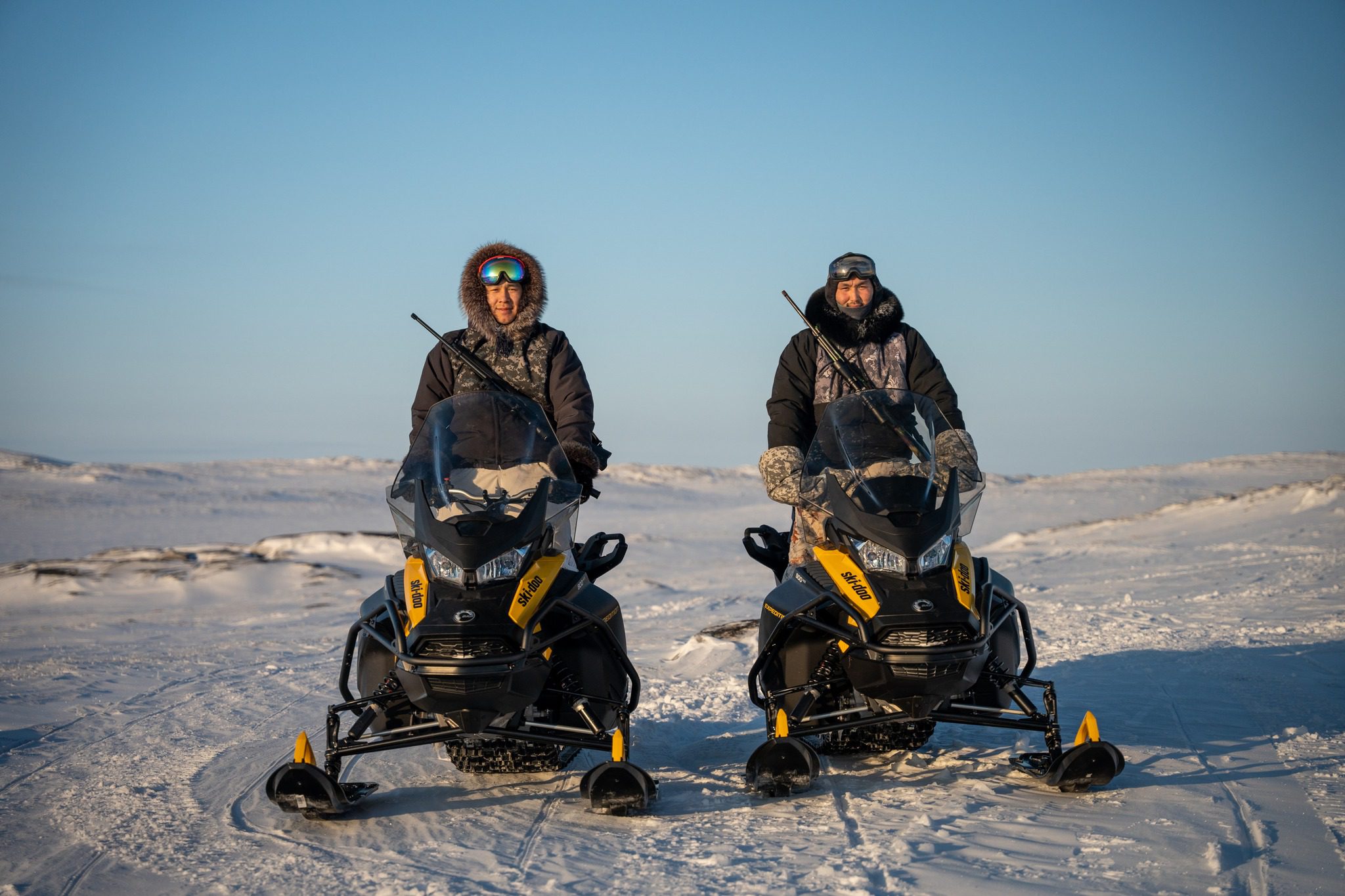
Distance is one of the defining characteristics of life in the North. Many Arctic communities are located far from major cities, and travel between settlements can be difficult, especially during harsh winter months. Roads may be limited, weather conditions can interrupt transportation, and access to recreational opportunities is often more restricted than in urban areas.
Sport provides a way to overcome these physical barriers. When athletes travel to competitions or communities host sporting events, these occasions become opportunities for interaction that might otherwise be rare. People who live hundreds of kilometers apart can meet, share stories, and develop relationships through a common interest.
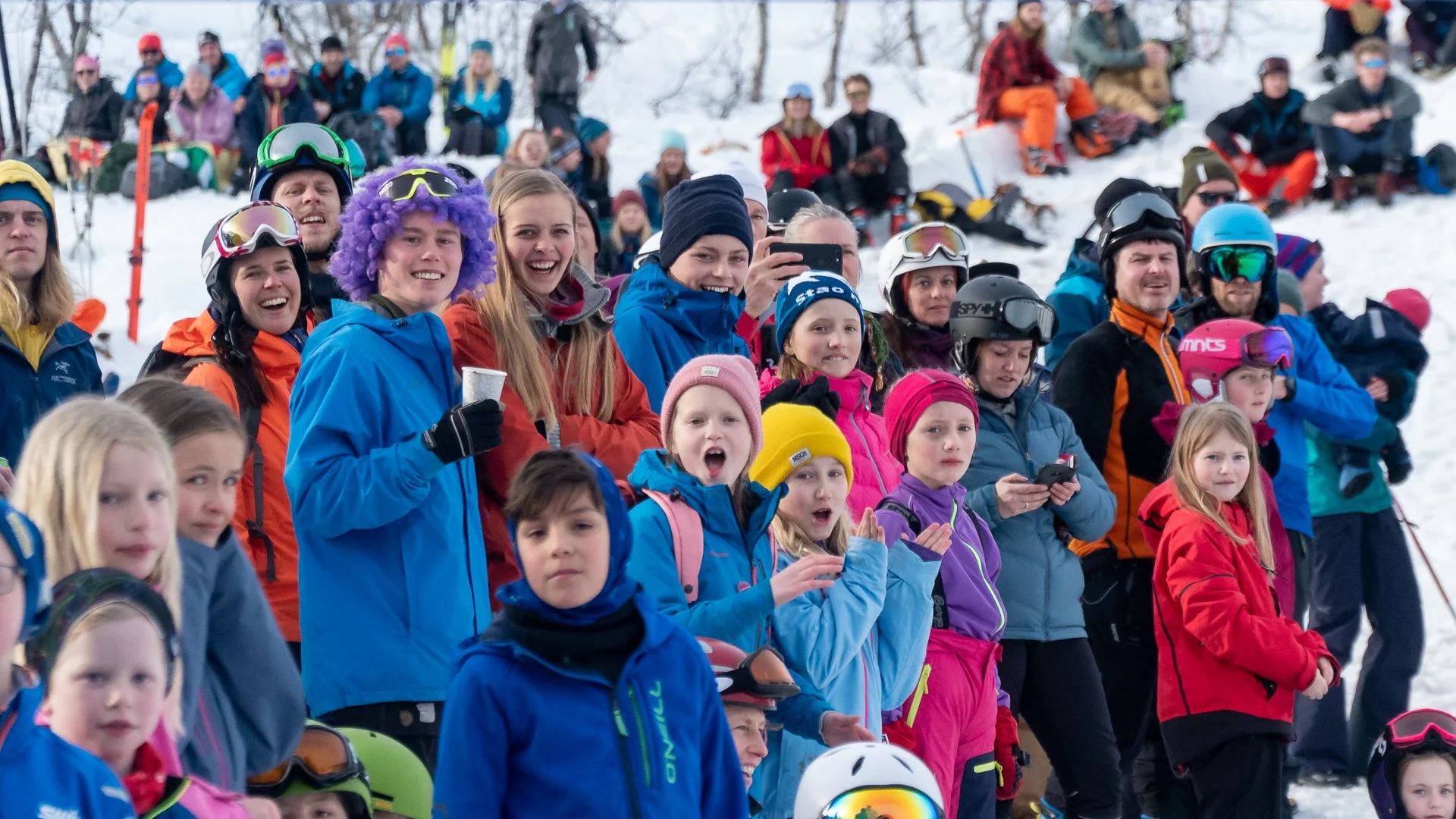
Traditional and modern sporting events often serve as important social gatherings because they bring together entire communities. Parents, elders, coaches, and supporters all participate in creating an atmosphere of connection. The event itself becomes a shared experience that strengthens social bonds and reminds people that they are part of a larger northern community.
In this way, sport creates a form of connection that geography alone cannot provide. It transforms isolated locations into active centers of cultural and social exchange.
Traditional Sports as a Source of Unity and Identity
Indigenous sports have a particularly important role in connecting northern communities because they carry cultural meaning alongside physical activity. Traditional competitions are often based on skills that developed from everyday Arctic life, including endurance, balance, strength, and cooperation.
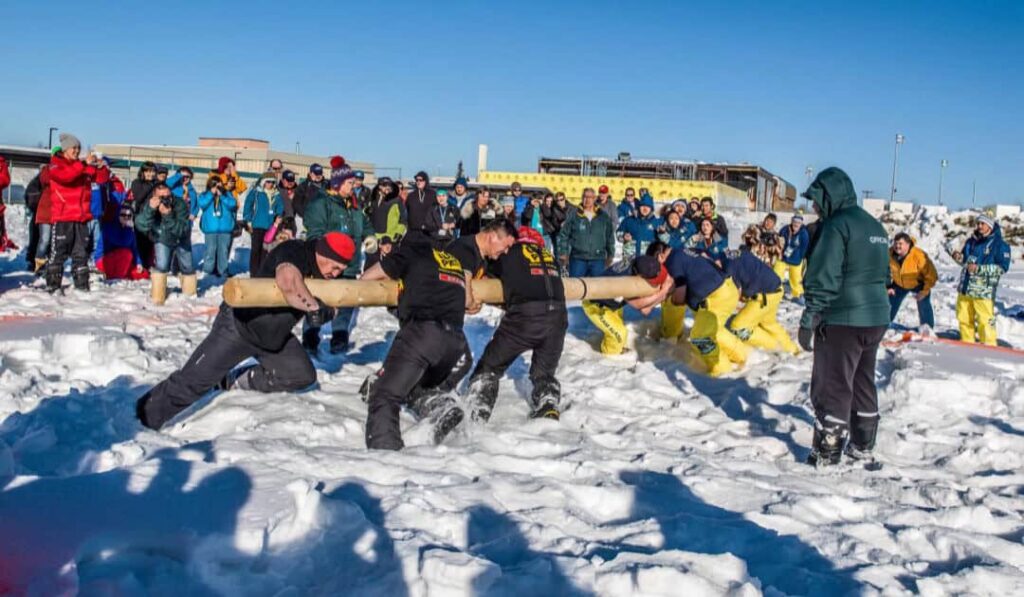
Events such as Arctic high kicks, traditional wrestling, endurance challenges, and reindeer-related competitions bring communities together around shared heritage. These sports remind participants of the knowledge and abilities that helped previous generations survive and thrive in demanding environments.
For Indigenous communities, traditional sports are also a way to maintain cultural identity. They provide young people with opportunities to learn from elders, understand their history, and participate in practices that connect them with their ancestors. Through sport, cultural knowledge becomes something experienced rather than simply remembered.
These traditions also create connections between different Indigenous groups. When athletes from various northern regions meet, they exchange techniques, stories, and perspectives, strengthening relationships between communities that may have developed separately due to geographic distance.
Youth Development and Community Support
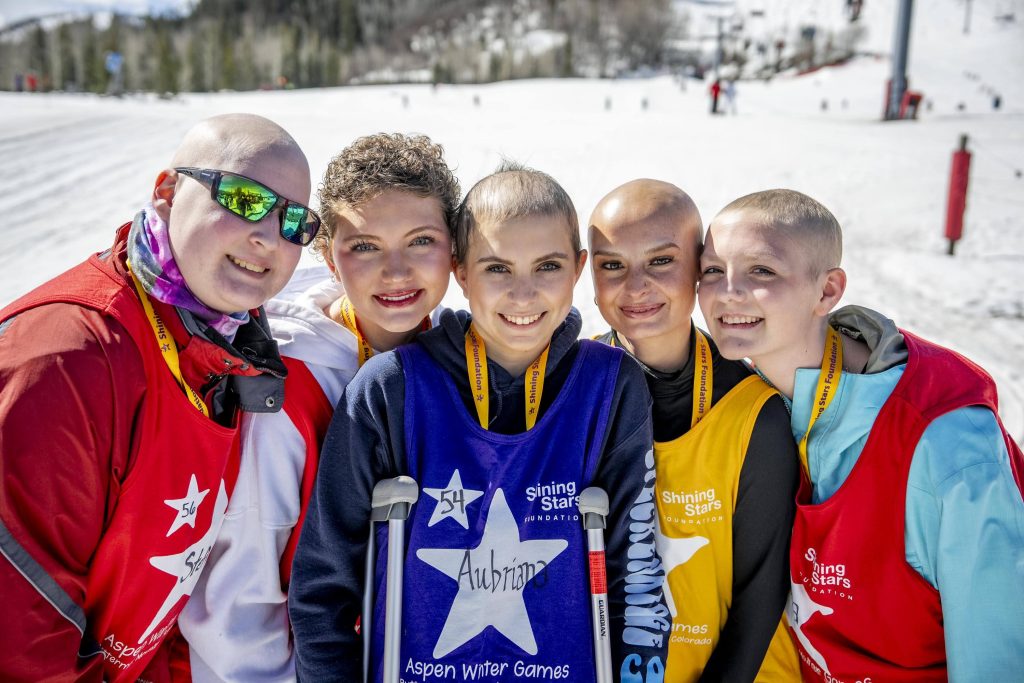
One of the most significant contributions of sport in remote northern communities is its impact on young people. In areas where educational, recreational, and professional opportunities may be limited, organized sports provide important spaces for growth, learning, and personal development.
Participation in sports teaches young athletes discipline, teamwork, confidence, and responsibility. However, the benefits extend beyond physical skills. Through training and competition, young people develop relationships with coaches, teammates, and mentors who provide guidance and encouragement.
For many northern youth, sport creates opportunities to travel outside their home communities and experience different environments. These experiences can expand their perspectives while helping them maintain a strong connection to their cultural background.
Coaches and community leaders often play a vital role in this process. In many remote areas, they are not only instructors but also mentors who support young people academically, socially, and emotionally. The relationships created through sport can have a lasting impact on the development of future community leaders.
Sport as a Meeting Place Between Generations
A unique feature of northern sporting traditions is the strong connection between generations. In many Arctic communities, knowledge is passed from elders to younger people through participation, observation, and shared experiences.
Sport creates a natural environment for this exchange. Elders may teach traditional techniques, share stories about the origins of competitions, or explain the cultural meaning behind specific practices. Younger participants, in turn, bring new energy and ideas that help traditions continue evolving.
This interaction strengthens community identity because it creates a sense of continuity. Young people understand that they are not simply learning a sport; they are becoming part of a larger cultural story.
In modern northern societies, where rapid changes can sometimes create distance between generations, sport provides a valuable space where different age groups can interact and learn from one another.
The Importance of Regional and International Arctic Competitions
Large-scale northern sporting events have become important platforms for bringing remote communities together. Competitions such as the Arctic Winter Games allow athletes from different Arctic regions to meet, compete, and celebrate their shared experiences.
These events create a sense of connection across borders, bringing together communities from places such as Alaska, Canada, Greenland, and northern Scandinavia. Although participants may come from different linguistic and cultural backgrounds, they often share similar experiences of life in northern environments.
Beyond competition, these gatherings include cultural performances, ceremonies, and opportunities for knowledge exchange. They demonstrate that sport can serve as a form of diplomacy, creating relationships between communities and strengthening understanding between different cultures.
For many participants, attending such events becomes a defining life experience. They return home with new friendships, increased confidence, and a stronger sense of connection to the wider Arctic world.
Challenges and the Future of Northern Sports
Despite the many benefits of sport, remote northern communities face challenges in maintaining strong sporting programs. Limited funding, shortages of facilities, high travel costs, and extreme weather conditions can make regular participation difficult.
Climate change also presents new challenges. Changing weather patterns affect outdoor activities, traditional competitions, and the environments where many northern sports have developed. Communities must adapt while finding ways to preserve the traditions that remain important to their identity.
However, northern communities have always demonstrated resilience and creativity. Through partnerships, local initiatives, and the use of modern technology, many communities continue to develop opportunities for athletes and young people.
Digital platforms have also created new possibilities, allowing remote communities to share events, training resources, and cultural knowledge with wider audiences. While technology cannot replace face-to-face connection, it can help strengthen networks across vast distances.
Building Stronger Communities Through Sport
In remote northern communities, sport is much more than a way to stay active or compete. It is a powerful tool for connection, cultural preservation, and community development. It brings people together across distances, creates opportunities for young generations, and strengthens relationships between individuals and communities.
Sport reflects the values that have long defined northern life: cooperation, resilience, respect, and adaptability. Whether through traditional Indigenous competitions or modern athletic events, sport provides a space where people can celebrate who they are while building connections with others.
In the vast landscapes of the Arctic, where distance can separate communities, sport creates pathways of connection. It reminds people that even in the most remote regions of the world, shared experiences and common passions can bring communities together and help them remain strong for generations to come.