
The Invisible Force Behind Arctic Celebrations
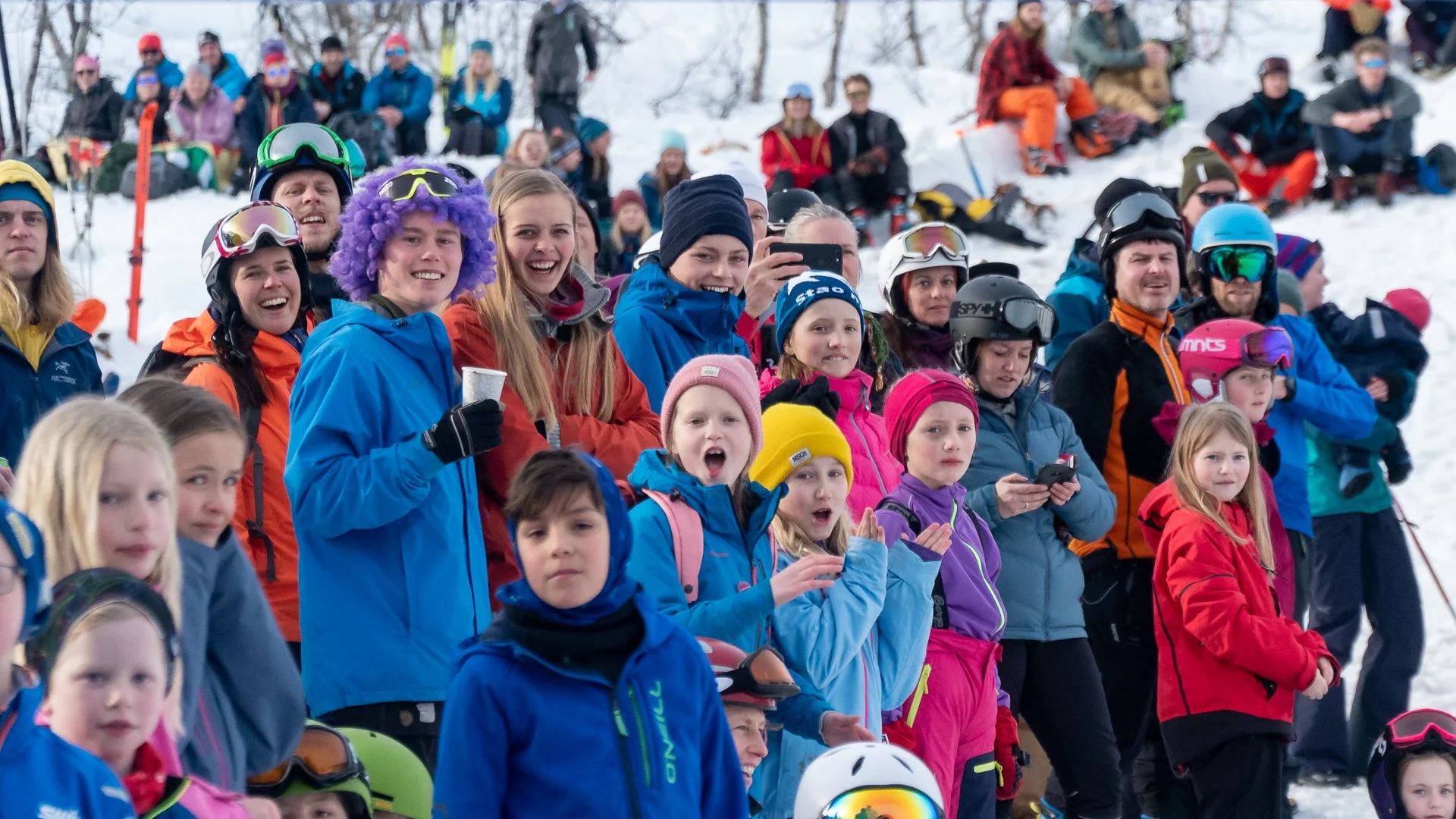
Across the northern regions of the world, where communities often face vast distances, challenging climates, and limited resources, sports festivals represent much more than organized competitions. They are moments when people gather, traditions are celebrated, and communities strengthen their connections. However, behind every successful northern sports festival stands a group of people whose efforts often remain unnoticed: volunteers.
Volunteers are the foundation that allows Arctic and northern sporting events to exist. They prepare venues, support athletes, welcome visitors, organize activities, maintain traditions, and create the atmosphere that turns a simple competition into a meaningful community experience. Their work rarely receives the same attention as the achievements of athletes, yet without their dedication, many important cultural and sporting events would not be possible.
In remote northern communities, volunteering is not only an act of service. It is an expression of belonging and responsibility. People contribute their time and skills because they understand that these festivals represent something larger than sport itself. They represent cultural identity, community pride, and the continuation of traditions that connect generations.
The Heart of Northern Sports Festivals
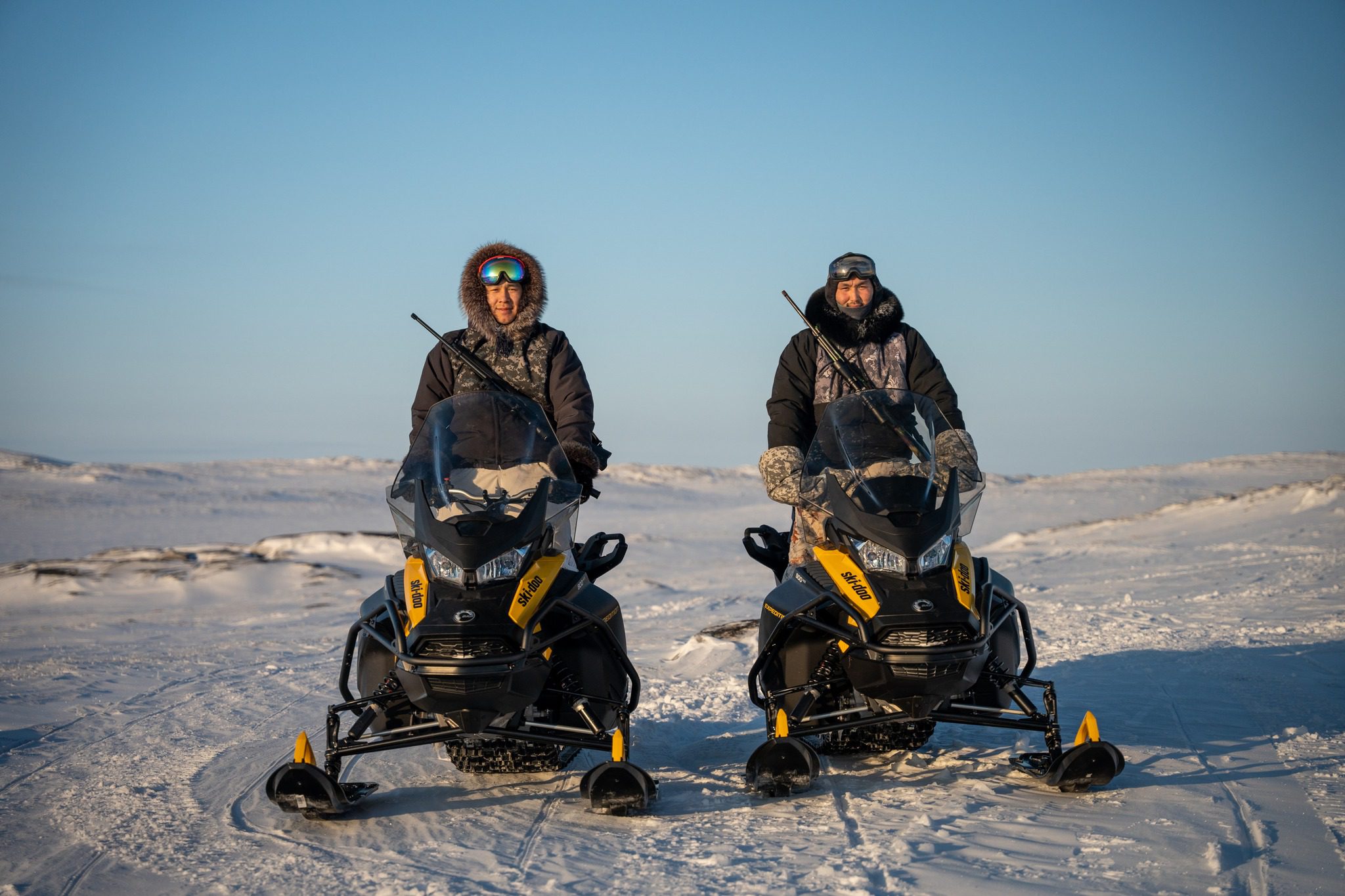
Northern sports festivals often require an extraordinary level of cooperation because they take place in environments where ordinary challenges become more complex. Organizers must consider extreme weather conditions, transportation difficulties, limited infrastructure, and the needs of participants traveling from distant regions.
Volunteers become the people who transform ideas into reality. Long before athletes arrive, they are already preparing competition areas, organizing equipment, coordinating schedules, and ensuring that every detail is in place. Many volunteers begin their work weeks or even months before the event begins, contributing their time alongside their everyday responsibilities.
Unlike large professional sporting events that often rely on extensive paid staff and commercial support, northern community festivals frequently depend on local involvement. The success of the event is built through collective effort, with people contributing because they believe in the importance of bringing their community together.
This spirit of cooperation reflects a traditional northern value: challenges are overcome when people work together. The volunteer culture behind these festivals demonstrates the same resilience that has allowed Arctic communities to thrive for generations.
Preserving Culture Through Volunteer Work
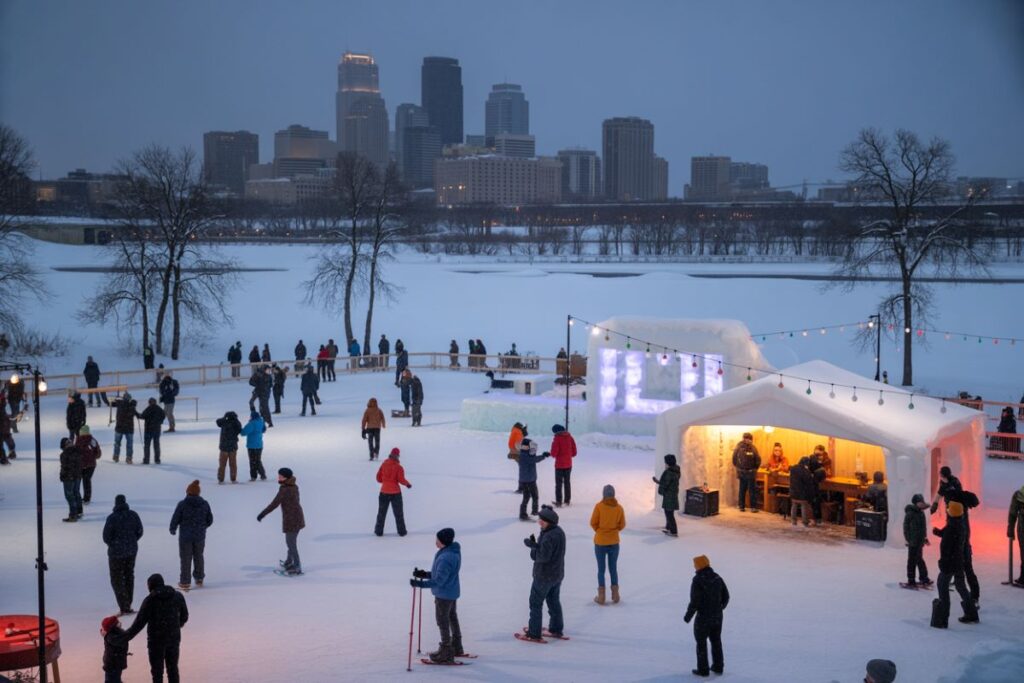
For many northern sports festivals, volunteers play an essential role in protecting and sharing cultural traditions. Their responsibilities often extend beyond practical organization because these events are also celebrations of history, identity, and heritage.
Volunteers may help organize traditional competitions, support cultural performances, prepare ceremonial spaces, or assist elders who share knowledge with younger generations. Through these activities, they help ensure that traditions remain active and meaningful rather than becoming distant memories of the past.
Many volunteers carry their own cultural knowledge and personal experiences into their work. An elder helping with a traditional sporting event may not simply explain rules but share stories about where the activity came from and why it matters. A younger volunteer may contribute modern skills such as digital communication or event management while learning from older generations.
This exchange creates a powerful connection between past and future. Volunteers become guardians of cultural continuity, helping traditions adapt while maintaining their original meaning.
The Many Roles Volunteers Play
The work behind northern sports festivals requires a wide range of skills and responsibilities. Some volunteers focus on practical tasks such as preparing venues, managing equipment, guiding visitors, or assisting athletes. Others support communication, translation, hospitality, and cultural programming.
In remote areas, volunteers often take on multiple roles because resources are limited. One person may help organize competitions during the day, assist with community events in the evening, and support visitors throughout the entire festival period. This flexibility and willingness to contribute are essential characteristics of northern community events.
Hospitality is another important part of volunteering. Many participants travel long distances to attend Arctic sports festivals, and volunteers are often the first people they meet. Their warmth, guidance, and support shape the experience of visitors and help create a welcoming environment.
Behind every successful competition, there are people making sure that athletes have what they need, spectators feel included, and cultural activities run smoothly. Much of this work happens quietly, but it creates the foundation upon which the entire event depends.
Strengthening Community Bonds Through Participation
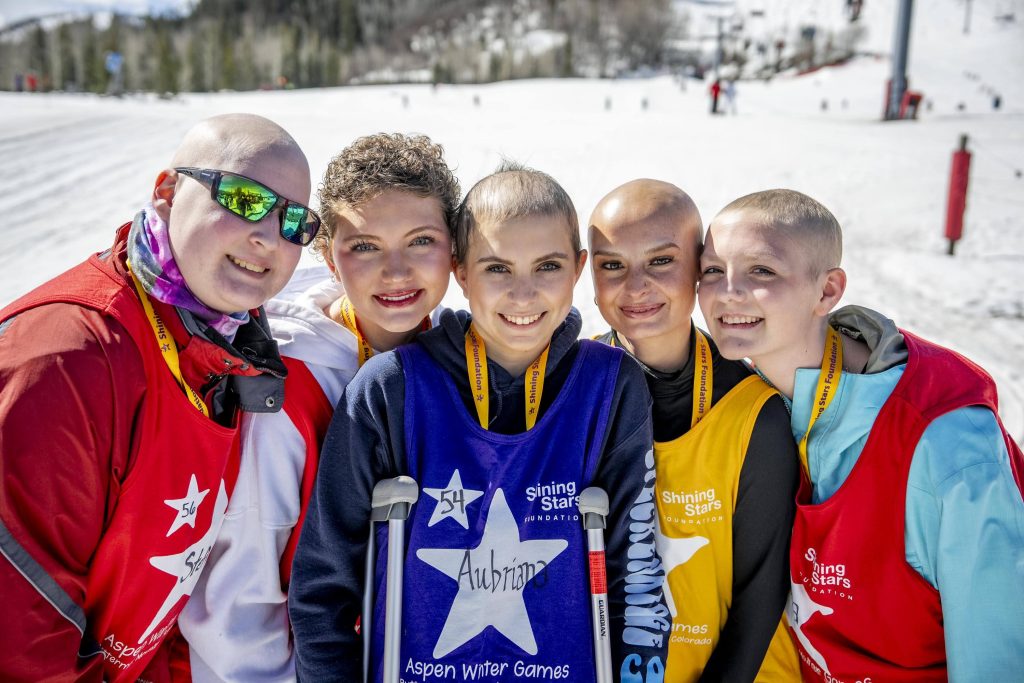
Volunteering at sports festivals creates connections between people who might not otherwise interact regularly. It brings together individuals of different ages, backgrounds, and experiences, united by a shared purpose.
For young volunteers, participation can become an important learning experience. They gain practical skills in organization, communication, and teamwork while developing a deeper appreciation for their community. Many young people discover new interests and responsibilities through volunteering, which can influence their future involvement in cultural and social activities.
For older generations, volunteering provides an opportunity to remain active participants in community life and share their knowledge. Their involvement ensures that traditions are passed on and that younger people understand the significance of these events.
The relationships formed through volunteering often continue long after the festival ends. People build trust, friendships, and a stronger sense of collective identity. In this way, volunteering contributes not only to the success of a single event but to the overall strength of the community.
Challenges Faced by Northern Volunteers
While volunteering brings many rewards, it also requires significant commitment. Northern volunteers often work under difficult conditions, including freezing temperatures, long hours, and limited resources. Organizing an outdoor event in an Arctic environment requires careful preparation and the ability to adapt quickly when conditions change.
Many volunteers balance their festival responsibilities with work, family obligations, and other community commitments. Their contribution often comes from personal dedication rather than financial motivation. They give their time because they believe these events matter.
Another challenge is ensuring that younger generations continue to participate. As lifestyles change and young people move away for education or employment opportunities, communities must find new ways to encourage involvement and maintain volunteer networks.
Despite these challenges, the tradition of volunteering remains strong because it is connected to deeper values of cooperation and responsibility. The willingness to help others continues to be one of the defining characteristics of northern communities.
The Future of Volunteer-Based Northern Sports
As Arctic regions continue to change, volunteers will remain essential to the future of northern sports festivals. Technology, improved organization, and new forms of communication may transform how events are managed, but the human element will always remain central.
Future generations of volunteers will likely combine traditional community involvement with modern skills. Young people may bring expertise in digital media, event planning, and international communication while continuing to support cultural traditions established by previous generations.
Supporting volunteers through training, recognition, and community programs will be increasingly important. When volunteers are valued and supported, they are better able to continue the work that keeps northern sporting traditions alive.
The future of these festivals depends not only on athletes and organizers but on the countless individuals who contribute their time, energy, and knowledge behind the scenes.
The People Who Make Northern Sports Possible
Northern sports festivals are often remembered for the athletes who compete, the records that are achieved, and the traditions that are displayed. However, behind every successful event are volunteers whose dedication makes those moments possible.
They build the spaces where communities gather, protect cultural traditions, support future generations, and create connections across vast northern landscapes. Their work represents the true spirit of community—people coming together not because they have to, but because they believe in the importance of shared experiences.
In the Arctic and other northern regions, volunteers are more than helpers. They are the foundation of cultural celebrations and the quiet force that keeps traditions, sports, and communities alive.