
A Culture Between Ancient Roots and a Changing World
In the northernmost regions of Europe, across the vast landscapes of Norway, Sweden, Finland, and the Kola Peninsula of Russia, the Sámi people have developed one of the most distinctive Indigenous cultures of the Arctic. For thousands of years, Sámi communities have lived in close relationship with the northern environment, adapting to dramatic seasonal changes, extreme weather conditions, and the unique challenges of life above the Arctic Circle. Their traditions, languages, crafts, music, and relationship with nature represent a cultural heritage shaped by generations of knowledge and experience.
However, Sámi identity today is not simply a reflection of the past. It is a dynamic and evolving expression of a people who continue to preserve their traditions while participating fully in the modern world. The story of the Sámi is not only about maintaining ancient practices but also about redefining what it means to be Indigenous in the twenty-first century. Through cultural revival, political participation, education, art, and modern technology, the Sámi demonstrate that tradition and progress can exist together.
Modern Arctic identity is built on this balance between continuity and change. Sámi communities continue to protect their connection to the land while facing challenges such as climate change, globalization, and pressures on traditional livelihoods. Their experience provides an important example of how Indigenous cultures can remain strong by adapting without losing their essential values.
The Foundations of Sámi Culture and Connection to the Land
The relationship between the Sámi people and the Arctic landscape is at the heart of their cultural identity. For generations, the natural environment has shaped not only economic activities but also spiritual beliefs, social structures, and ways of understanding the world. Mountains, rivers, forests, and open tundra are not merely physical spaces; they are places filled with memories, stories, and cultural meaning.
Reindeer herding is one of the most recognized aspects of Sámi culture, although it represents only one part of a much broader cultural system. Reindeer have played an important role in transportation, food production, clothing, and economic life, while also symbolizing a deep relationship between humans and nature. Traditional herding requires extensive knowledge of migration routes, weather patterns, animal behavior, and seasonal changes, knowledge that has been passed from generation to generation.
Beyond reindeer herding, Sámi communities have historically relied on fishing, hunting, gathering, and handicrafts. These activities developed a philosophy based on respect for natural resources and responsible use of the environment. Rather than seeing nature as something separate from human life, Sámi traditions emphasize interdependence and balance.
This worldview remains highly relevant today, especially as the Arctic faces environmental challenges. Sámi knowledge of ecosystems and climate patterns provides valuable perspectives on sustainability and adaptation.
Language, Storytelling, and the Preservation of Memory
Language is one of the strongest foundations of Sámi identity. Several Sámi languages exist, each carrying unique expressions, histories, and ways of describing the world. These languages contain knowledge that cannot always be fully translated, particularly when it comes to relationships with nature, landscapes, and traditional practices.
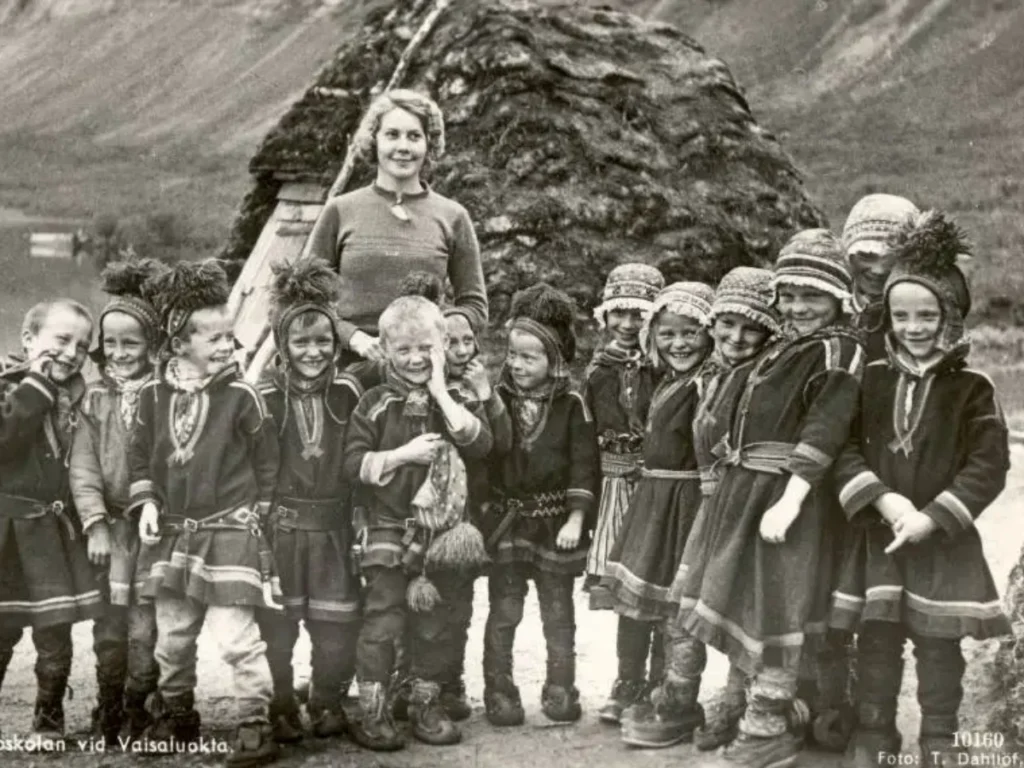
For much of modern history, Sámi languages faced significant pressure due to assimilation policies in Nordic countries. Many Sámi children were discouraged or even prohibited from speaking their native languages in schools, leading to language loss among some communities. These historical experiences had a lasting impact on cultural transmission and identity.
In recent decades, however, Sámi communities have worked actively to revitalize their languages through education, media, cultural programs, and political initiatives. Language revival has become an important part of strengthening identity and reconnecting younger generations with their heritage.
Storytelling also remains central to Sámi culture. Traditional stories, songs, and oral histories preserve knowledge about ancestors, landscapes, animals, and important cultural values. Through storytelling, history becomes something living rather than something limited to written records. It allows each generation to understand its connection to those who came before.
Sámi Traditions in the Modern Arctic World
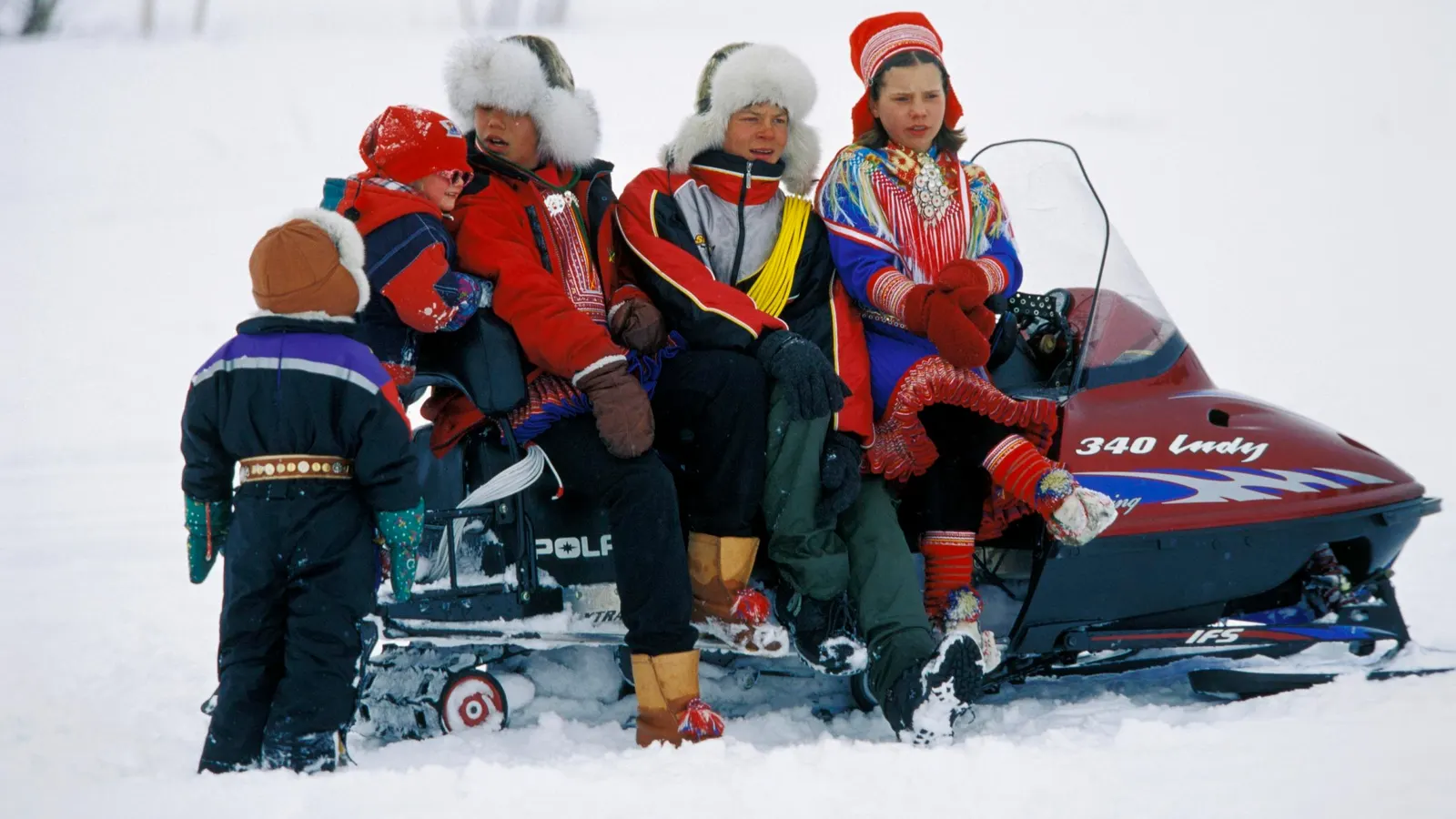
The modern Sámi identity demonstrates that tradition does not require isolation from contemporary society. Today, Sámi people work in diverse fields, including science, education, politics, technology, business, and the arts, while maintaining strong connections to their cultural heritage.
Modern Sámi artists and creators have played a significant role in bringing Arctic identity to global audiences. Traditional elements such as joik, a distinctive form of Sámi vocal expression, have been combined with contemporary music, film, fashion, and visual arts. These creative forms allow Sámi culture to communicate with new generations while remaining connected to ancestral traditions.
Technology has also become an important tool for cultural preservation. Digital platforms allow Sámi communities to share language resources, document traditions, and connect people across vast geographic distances. Social media has provided new opportunities for young Sámi voices to participate in cultural conversations and advocate for Indigenous rights.
This combination of tradition and innovation reflects a broader understanding of identity. Being Sámi in the modern world does not mean choosing between the past and the present. Instead, it means carrying cultural knowledge forward while creating new forms of expression.
Challenges Facing Sámi Communities Today
Despite cultural revival and increased recognition, Sámi communities continue to face significant challenges. One of the most pressing issues is the impact of climate change on traditional ways of life. Rising temperatures, changing snowfall patterns, and disruptions to ecosystems affect reindeer herding and other activities closely connected to the environment.
Industrial development also creates challenges when mining, energy projects, transportation infrastructure, or other forms of land use conflict with traditional Sámi practices. Because cultural identity is deeply connected to specific landscapes, changes to the environment can affect not only economic activities but also cultural continuity.
Another important challenge is ensuring that Sámi voices are included in decisions affecting their territories and futures. Political representation and recognition of Indigenous rights remain central issues in Arctic governance. Sámi communities continue to advocate for participation in environmental, economic, and cultural discussions.
These challenges demonstrate that preserving identity requires more than celebrating traditions. It also requires protecting the conditions that allow those traditions to continue.
The Role of Sámi Youth in Shaping the Future
Young Sámi people are playing an increasingly important role in defining the future of Arctic identity. They are often at the center of cultural renewal, combining traditional knowledge with modern education, technology, and global perspectives.
Many young Sámi are reconnecting with their heritage through language learning, cultural events, traditional crafts, music, and participation in community activities. At the same time, they are creating new interpretations of what Sámi identity can mean in a modern society.
This generation faces the challenge of carrying forward traditions while responding to a rapidly changing world. Their approach shows that cultural preservation is not about keeping traditions unchanged but about ensuring that they remain meaningful and adaptable.
By embracing both heritage and innovation, Sámi youth demonstrate that Indigenous identity is not a historical concept but a living and evolving reality.
Conclusion: The Strength of a Living Arctic Culture
Sámi traditions and modern Arctic identity represent a powerful example of cultural resilience. The Sámi people have maintained their connection to the northern landscape while adapting to profound social, environmental, and technological changes. Their culture continues to grow because it is not treated as something frozen in time but as something active, creative, and relevant.
The strength of Sámi identity comes from the ability to combine ancestral knowledge with modern perspectives. Language, storytelling, reindeer herding, art, and community traditions continue to provide a foundation for belonging, while new generations create fresh ways to express their heritage.
In a changing Arctic, the Sámi experience offers an important lesson: cultures survive not by resisting change completely, but by developing the ability to change while protecting the values that define them. Through this balance between memory and innovation, the Sámi people continue to shape a unique and enduring Arctic identity.